Loading…
← All schools
Holy Cross College
Notre Dame, INprivate nonprofitwww.hcc-nd.edu/
- Acceptance rateThe share of applicants a college admits in a given year. A 10% acceptance rate means it admits about 1 in 10 applicants.
- 75%
- Undergrad enrollment
- 639
- Net priceWhat a family actually pays after grants and scholarships are subtracted from the sticker price — usually far less than the published cost.
- $26,728
- In-state tuition
- $36,600
- Out-of-state tuition
- $36,600
- Total Cost
- $85,220
- Avg ACT Range
- 27–32
- Avg SAT Range
- 1250–1410
- Need-Based Aid
- 100% met
- Acceptance Rate
- 16%
- On-Campus Living
- 90%
- Most Popular Major
- Business/Commerce
- Avg Starting Salary
- $71,398
- 6-Year Graduation Rate
- 87%
Quick answers
- What is the acceptance rate at Holy Cross College?
- Holy Cross College's acceptance rate is approximately 75% (Notre Dame, IN), based on the most recent figures we compiled from public and primary sources.
- How much does Holy Cross College cost?
- At Holy Cross College, the average net price (after aid) is about $26,728 per year. Actual cost varies with financial aid and residency.
- How many undergraduates attend Holy Cross College?
- Holy Cross College enrolls approximately 639 undergraduate students.
- Where is Holy Cross College located?
- Holy Cross College is located in Notre Dame, IN.
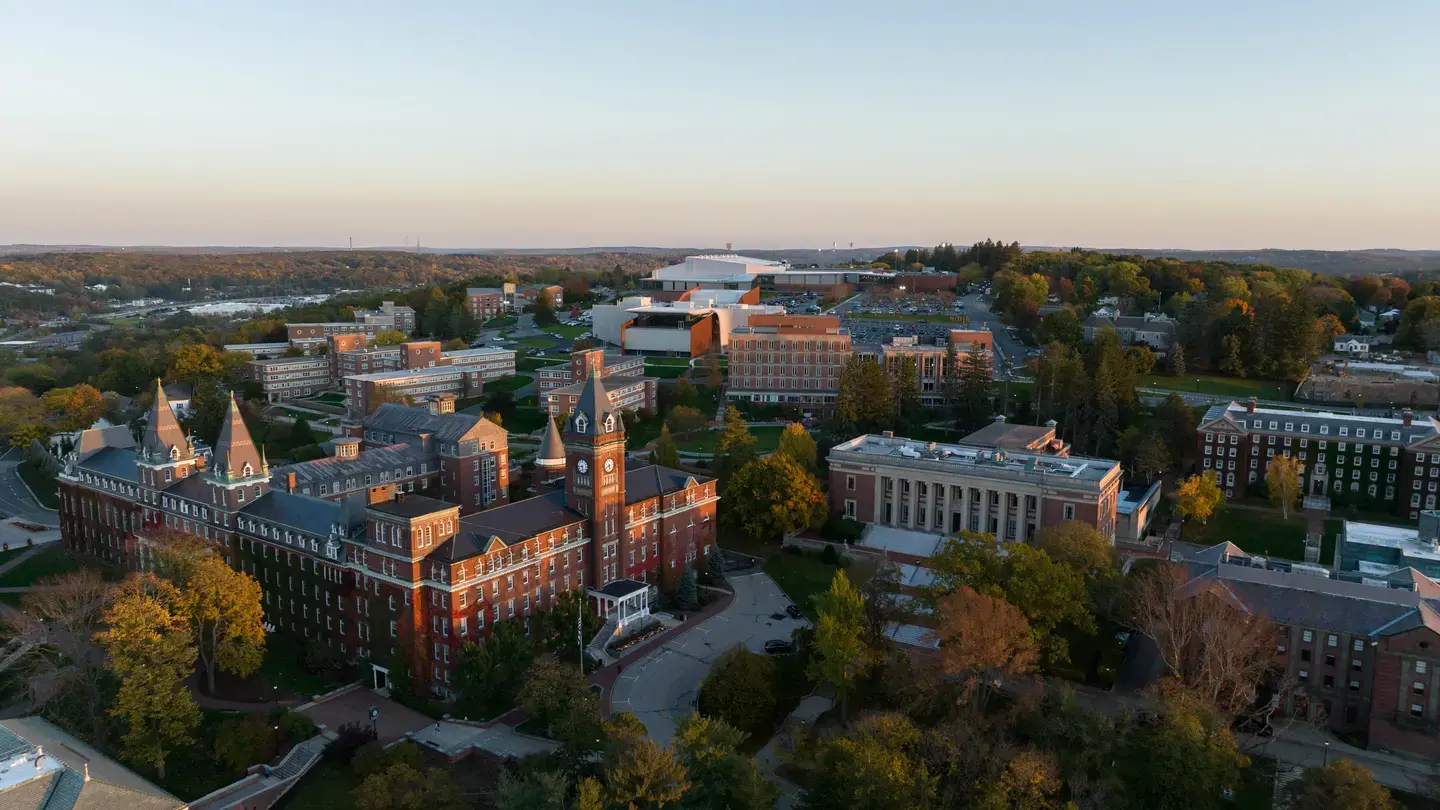
Holy Cross College, nestled in Notre Dame, Indiana, is a small, tight-knit liberal arts college with a fiercely loyal community and a surprising punch for its size. Known for its rigorous academics and Jesuit values, it offers an intimate, residential experience where 90% of students live on campus—though its acceptance rate has plummeted from 36% to 16% in recent years, signaling rising selectivity. With strong outcomes (91% of graduates employed or in grad school) and a median starting salary of $71,398, Holy Cross delivers a return on investment that belies its modest profile.
Admissions
Holy Cross has become dramatically more selective in recent years, with its Acceptance rateThe share of applicants a college admits in a given year. A 10% acceptance rate means it admits about 1 in 10 applicants. dropping from 36% to 16%—a shift that reflects its growing reputation. The middle 50% SAT range for admitted students is 1250–1410, with Math scores between 630–710 and Evidence-Based Reading/Writing between 650–720. ACT scores fall in the 27–32 range. The college is Test-optionalA policy where you choose whether to submit SAT or ACT scores. If you don't, the rest of your application carries more weight., but submitted scores remain a significant factor. Applications are due by January 15, and the admissions office emphasizes Holistic admissionsA review that weighs the whole applicant — grades, essays, activities, and context — rather than relying on test scores and GPA alone., though academic rigor and Jesuit-aligned values (service, intellectual curiosity) weigh heavily. Notably, 49.5% of admitted students enroll, suggesting strong YieldThe share of admitted students who actually choose to enroll. Colleges watch it closely, which is why some weigh how interested you seem. for a school of its size.
Sources
- Office of Institutional Research & Analytics | College of the Holy Cross
- [PDF] CDS_2023_2024 Final Template v3.xlsx - College of the Holy Cross
- College of the Holy Cross - IPEDS - Department of Education
- [PDF] Common Data Set 2022-2023 - College of the Holy Cross
- College of the Holy Cross Class of 2030 Admissions Statistics
- Holy Cross Common Data Set | CollegeVine
- Holy Cross at a Glance
- College of the Holy Cross SAT Scores and GPA - PrepScholar
- College of the Holy Cross had a 16% acceptance rate this year!