Loading…
← All schools
Hofstra University
Hempstead, NYprivate nonprofitwww.hofstra.edu/
- Acceptance rateThe share of applicants a college admits in a given year. A 10% acceptance rate means it admits about 1 in 10 applicants.
- 68%
- SAT 25th-75th percentileThe middle range of SAT scores for admitted students: a quarter scored below the low number and a quarter scored above the high number.
- 1230–1400
- Undergrad enrollment
- 6,488
- Net priceWhat a family actually pays after grants and scholarships are subtracted from the sticker price — usually far less than the published cost.
- $34,176
- In-state tuition
- $57,660
- Out-of-state tuition
- $57,660
- Location
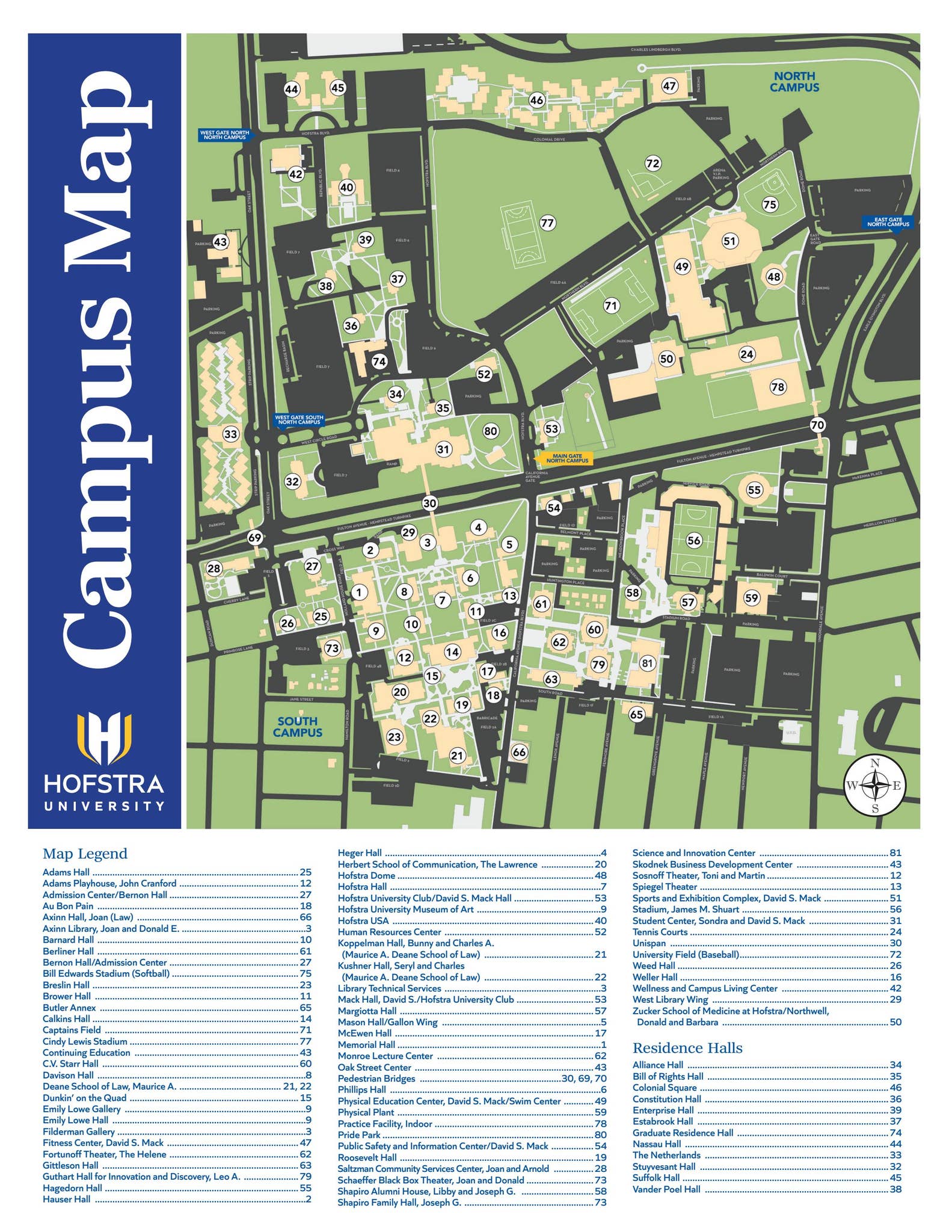
- Hempstead, NY (240-acre suburban campus)
- Mid-Range ACT
- 28–32
- Mid-Range SAT
- 1260–1390 (test-optional)
- Popular Majors
- Business, Health Professions, Psychology
- Acceptance Rate
- 68%
- Average Net Price
- $35,036
- Average Aid Package
- $38,924
- Undergrad Enrollment
- 6,581
- Median Salary (5 Yrs)
- $71,515
- Out-of-State Students
- 31%
- 6-Year Graduation Rate
- 67%
- International Students
- 3%
Quick answers
- What is the acceptance rate at Hofstra University?
- Hofstra University's acceptance rate is approximately 68% (Hempstead, NY), based on the most recent figures we compiled from public and primary sources.
- What SAT score do you need for Hofstra University?
- Admitted students at Hofstra University typically score 1230–1400 on the SAT (the middle-50% range). Scores outside this band are still admitted, especially with strong applications.
- How much does Hofstra University cost?
- At Hofstra University, the average net price (after aid) is about $34,176 per year. Actual cost varies with financial aid and residency.
- How many undergraduates attend Hofstra University?
- Hofstra University enrolls approximately 6,488 undergraduate students.
- Where is Hofstra University located?
- Hofstra University is located in Hempstead, NY.
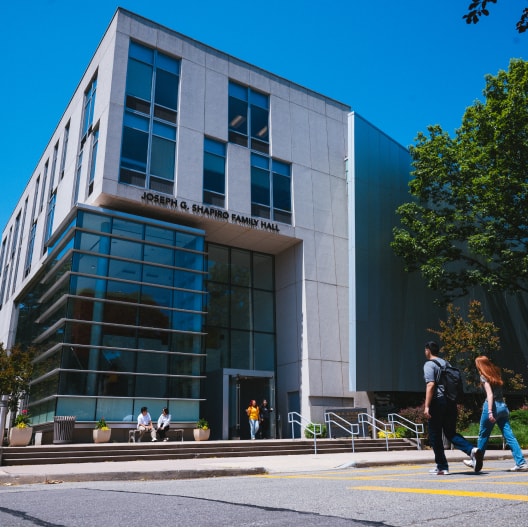
Hofstra University is a private Long Island institution with a suburban 240-acre campus that punches above its weight in business and health professions programs. Known for its lush grounds and proximity to NYC, Hofstra attracts a moderately selective, regionally diverse student body (36% out-of-state) with a 68% acceptance rate and mid-range SAT scores of 1260–1390. The university stands out for its strong career outcomes in fields like business and engineering, where graduates report median salaries of $59,000–$120K.
Admissions
Hofstra maintains a 68% acceptance rate (sources vary between 68-72.67%), making it moderately selective among private universities. For Fall 2026 admissions, the mid-range SAT scores were 1270-1450 (CR+M) and ACT scores 28-33, with 36% of students coming from outside New York. The university received 25,021 applications in recent cycles, with about two-thirds admitted. Notably, Hofstra is Test-optionalA policy where you choose whether to submit SAT or ACT scores. If you don't, the rest of your application carries more weight.—SAT/ACT scores are considered but not required—and emphasizes high school GPA in admissions decisions. The application fee is $70, and the student body includes 3% international students and 31% out-of-state enrollees.
- Mid-range SAT: 1260–1390 (varies by source)
- Mid-range ACT: 28–32
- Test policy: Optional
- Out-of-state students: 31%
Sources
- Institutional Research and Strategic Analysis - Hofstra University
- 2024-2025 Common Data Set | Hofstra University - Issuu
- What's the Hofstra common data set? - CollegeVine
- Hofstra University Overview - CollegeData
- Common Data Set: Home
- Common Data Set Repository - College Transitions
- Hofstra Student Profile | Admission
- Hofstra University Admissions - BigFuture College Search
- Hofstra University - Tuition and Acceptance Rate - Peterson's
- Hofstra University SAT Scores and GPA - PrepScholar