Loading…
← All schools
Hobart William Smith Colleges
Geneva, NYprivate nonprofitwww.hws.edu/
- Acceptance rateThe share of applicants a college admits in a given year. A 10% acceptance rate means it admits about 1 in 10 applicants.
- 64%
- SAT 25th-75th percentileThe middle range of SAT scores for admitted students: a quarter scored below the low number and a quarter scored above the high number.
- 1190–1385
- Undergrad enrollment
- 1,786
- Net priceWhat a family actually pays after grants and scholarships are subtracted from the sticker price — usually far less than the published cost.
- $31,563
- In-state tuition
- $65,117
- Out-of-state tuition
- $65,117
- Location
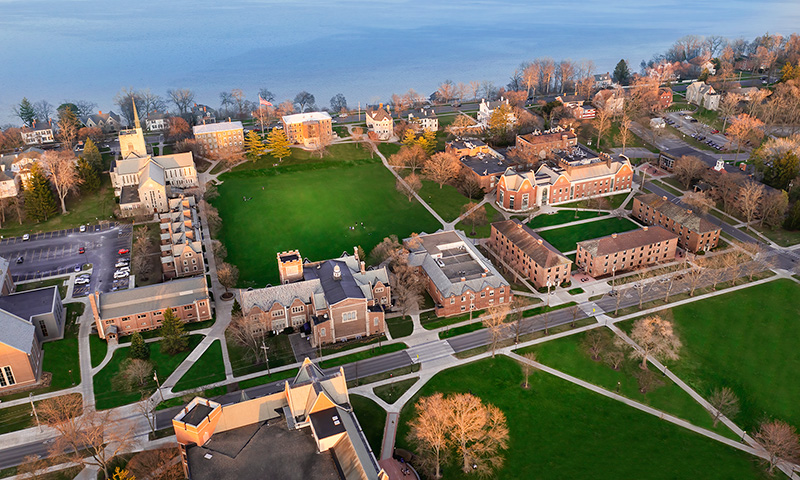
- Geneva, NY (Seneca Lake)
- Campus Vibe
- Outdoorsy, intellectual, tradition-steeped
- Acceptance Rate
- 64%
- Most Popular Majors
- Economics, Media & Society, Environmental Studies
- Avg. ACT (Middle 50%)
- 28–32
- Avg. SAT (Middle 50%)
- 1180–1370
- Student-Faculty Ratio
- 5:1
Quick answers
- What is the acceptance rate at Hobart William Smith Colleges?
- Hobart William Smith Colleges's acceptance rate is approximately 64% (Geneva, NY), based on the most recent figures we compiled from public and primary sources.
- What SAT score do you need for Hobart William Smith Colleges?
- Admitted students at Hobart William Smith Colleges typically score 1190–1385 on the SAT (the middle-50% range). Scores outside this band are still admitted, especially with strong applications.
- How much does Hobart William Smith Colleges cost?
- At Hobart William Smith Colleges, the average net price (after aid) is about $31,563 per year. Actual cost varies with financial aid and residency.
- How many undergraduates attend Hobart William Smith Colleges?
- Hobart William Smith Colleges enrolls approximately 1,786 undergraduate students.
- Where is Hobart William Smith Colleges located?
- Hobart William Smith Colleges is located in Geneva, NY.
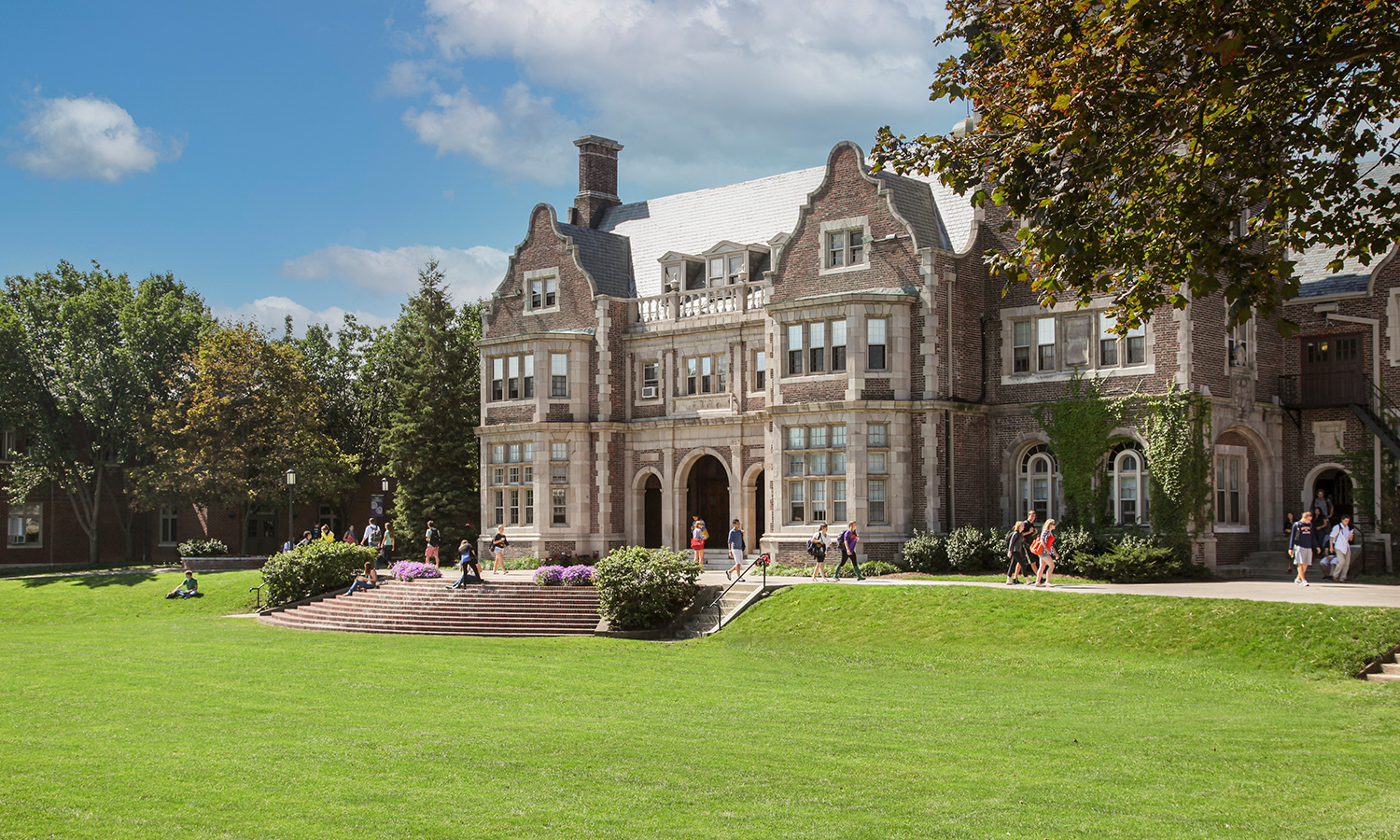
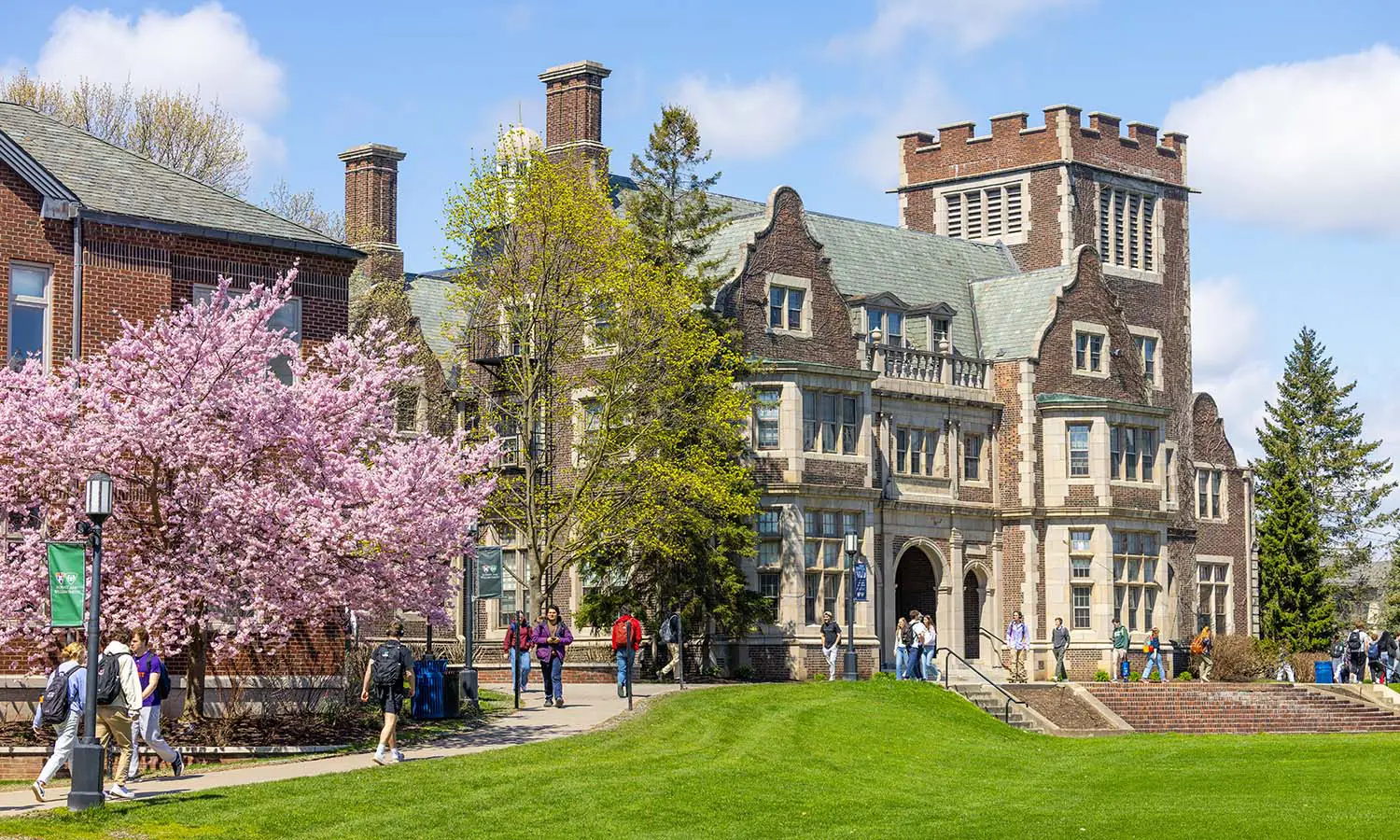
Hobart and William Smith Colleges—twin liberal arts institutions sharing a lakeside campus in Geneva, NY—blend rigorous academics with a fiercely independent spirit. Known for environmental studies, economics, and a 64% acceptance rate that belies its intellectual intensity, HWS thrives on close faculty mentorship and a student body that’s equally likely to debate Kant or kayak Seneca Lake.
Admissions
Hobart and William Smith maintain a 64% acceptance rate—slightly more selective than the national average—with an early Acceptance rateThe share of applicants a college admits in a given year. A 10% acceptance rate means it admits about 1 in 10 applicants. of 73.4%. Middle 50% test scores land between 1180–1370 (SAT) and 28–32 (ACT), though the college is Test-optionalA policy where you choose whether to submit SAT or ACT scores. If you don't, the rest of your application carries more weight.. Notably, 41% of admitted students defer enrollment, suggesting a flexible approach to gap years. The regular decision deadline is February 1, and while the admissions process is 'very difficult' per CollegeData, scoring above a 1370 SAT or 32 ACT 'nearly guarantees admission.'
Sources
- [PDF] Common Data Set 2024-2025 - Hobart and William Smith Colleges
- Common Data Set | Institutional Resources & Planning | HWS
- Common Data Set: Home
- Hobart and William Smith Colleges Overview - CollegeData
- How To Use a Common Data Set - The College Solution
- [XLS] HWS Common Data Set 2021-2022
- Hobart and William Smith Colleges Admissions - BigFuture
- Hobart and William Smith Colleges Admissions
- Hobart William Smith Colleges Acceptance Rate - Admissions ...
- Hobart and William Smith Colleges Acceptance Rate