Loading…
← All schools
Hamline University
Saint Paul, MNprivate nonprofithamline.edu
- Acceptance rateThe share of applicants a college admits in a given year. A 10% acceptance rate means it admits about 1 in 10 applicants.
- 88%
- SAT 25th-75th percentileThe middle range of SAT scores for admitted students: a quarter scored below the low number and a quarter scored above the high number.
- 1133–1391
- Undergrad enrollment
- 1,776
- Net priceWhat a family actually pays after grants and scholarships are subtracted from the sticker price — usually far less than the published cost.
- $20,744
- In-state tuition
- $50,004
- Out-of-state tuition
- $50,004
- Avg ACT
- 19–28
- Avg SAT
- 1005–1170
- Founded
- 1854
- Location
- Saint Paul, MN
- Avg Net Price
- $22,759
- % Receiving Aid
- 100%
- Acceptance Rate
- ~88%
- Notable Programs
- Legal Studies, Criminology, Education
- Student-Faculty Ratio
- 13:1
- 6-Year Graduation Rate
- 65%
Quick answers
- What is the acceptance rate at Hamline University?
- Hamline University's acceptance rate is approximately 88% (Saint Paul, MN), based on the most recent figures we compiled from public and primary sources.
- What SAT score do you need for Hamline University?
- Admitted students at Hamline University typically score 1133–1391 on the SAT (the middle-50% range). Scores outside this band are still admitted, especially with strong applications.
- How much does Hamline University cost?
- At Hamline University, the average net price (after aid) is about $20,744 per year. Actual cost varies with financial aid and residency.
- How many undergraduates attend Hamline University?
- Hamline University enrolls approximately 1,776 undergraduate students.
- Where is Hamline University located?
- Hamline University is located in Saint Paul, MN.
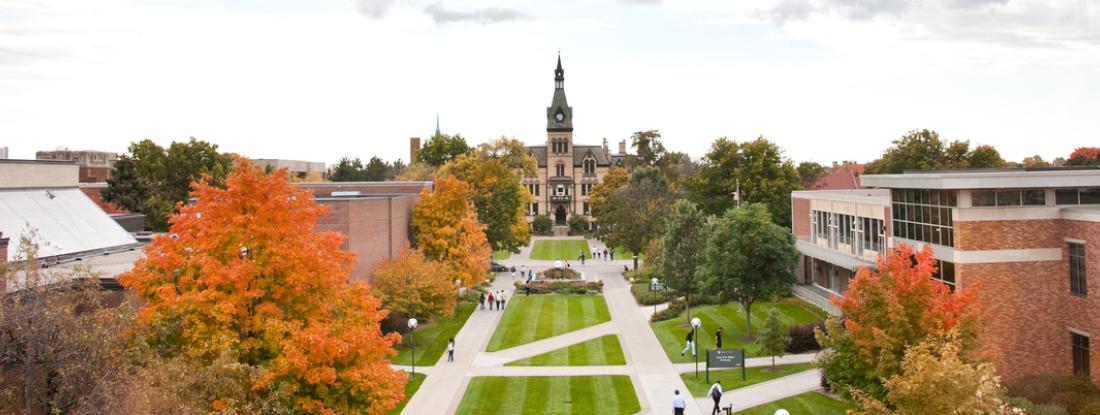
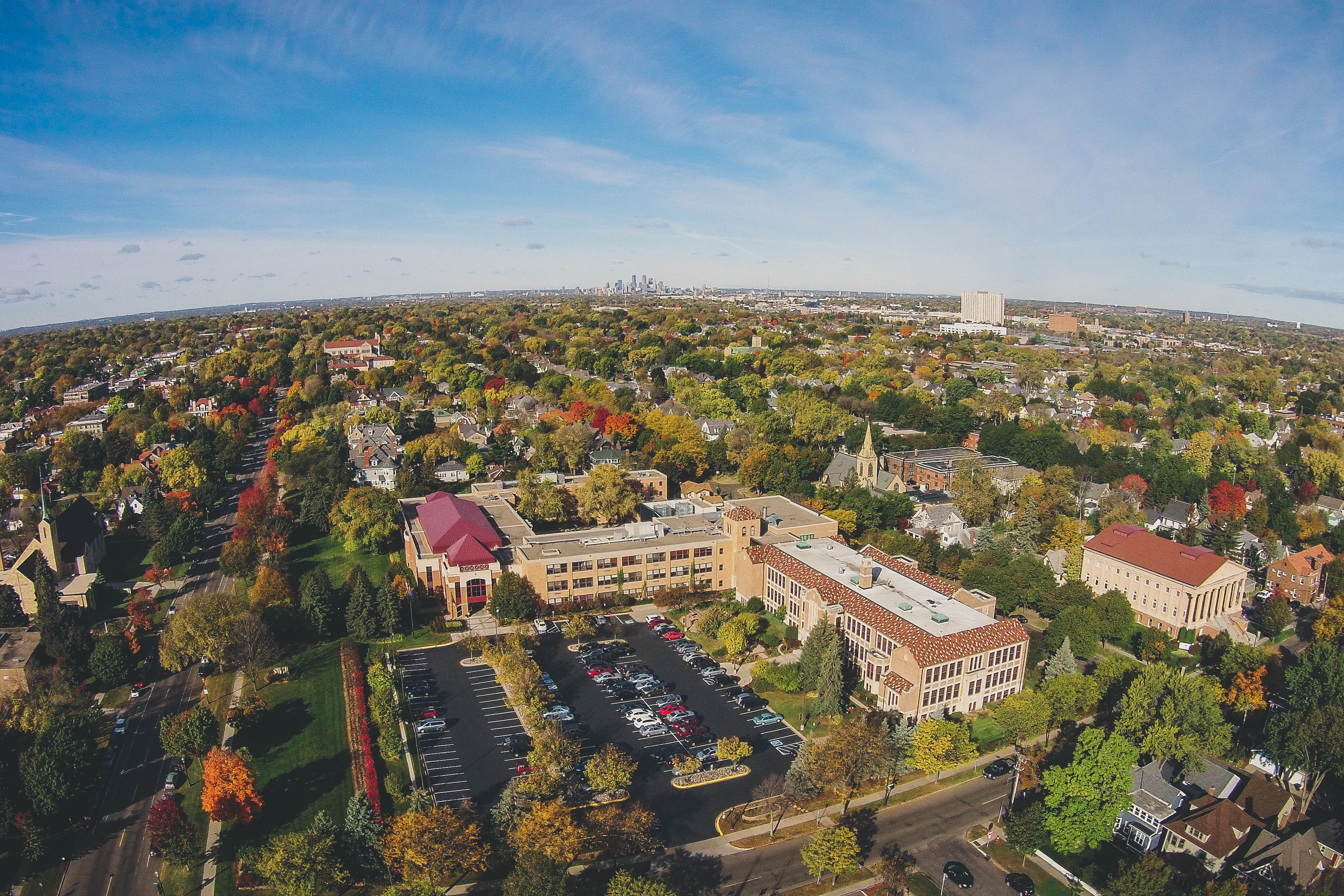
Hamline University, Minnesota's first university (founded in 1854), blends the intimacy of a small liberal arts college with the opportunities of its Saint Paul location. Known for its progressive ethos and diverse community, Hamline offers a hands-on education where students can design their own majors alongside standout programs in legal studies, criminology, and education. With an acceptance rate hovering around 88%, it’s accessible yet rigorous, fostering a tight-knit campus culture where nearly all students receive financial aid.
Admissions
Hamline University is decidedly less selective, with Acceptance rateThe share of applicants a college admits in a given year. A 10% acceptance rate means it admits about 1 in 10 applicants. ranging from 75.3% to 89.8% across sources, making it accessible to a broad applicant pool. Mid-50% SAT scores fall between 1005–1170 (or 1000–1260 per some reports), while ACT composites typically range from 19–28. The average admitted student boasts a 3.5 GPA. Notably, the gender ratio skews female (61% of applicants), reflecting a trend in liberal arts admissions. Test-optionalA policy where you choose whether to submit SAT or ACT scores. If you don't, the rest of your application carries more weight. policies and a focus on Holistic admissionsA review that weighs the whole applicant — grades, essays, activities, and context — rather than relying on test scores and GPA alone. allow flexibility, though the university emphasizes fit over cutthroat competition.
- Acceptance Rate: ~88% (varies by source)
- Mid-50% SAT: 1005–1170
- Mid-50% ACT: 19–28
- Avg GPA: 3.5
Sources
- Institutional Effectiveness Office Hamline University - MN
- Data Sources @ Hamline: School of Education - Bush Library
- Hamline University - Institution Data Profile
- Common Data Set - University Decision Support
- Common Data Set: Home
- How To Use a Common Data Set - The College Solution
- Hamline University SAT Scores and GPA - PrepScholar
- Hamline University Admissions - BigFuture College Search
- Hamline University - Admissions Chances & Data - College Raptor
- Hamline University Tuition, Acceptance Rate, & Academics - Sallie
- Hamline University Acceptance Rate & Average GPA