Loading…
← All schools
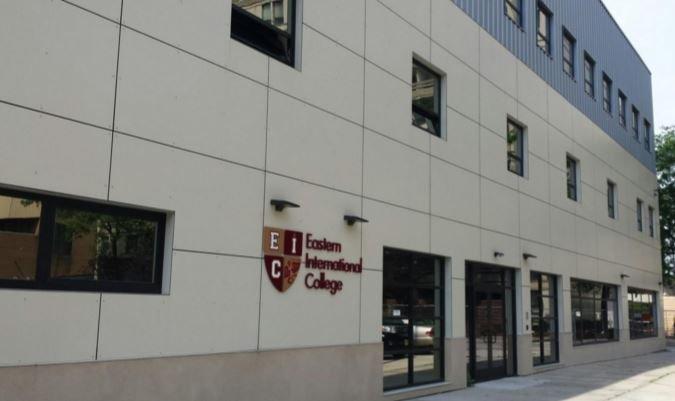
Eastern International College-Jersey City
Jersey City, NJprivate forprofitwww.eicollege.edu/
- Acceptance rateThe share of applicants a college admits in a given year. A 10% acceptance rate means it admits about 1 in 10 applicants.
- 70%
- Undergrad enrollment
- 495
- Net priceWhat a family actually pays after grants and scholarships are subtracted from the sticker price — usually far less than the published cost.
- $21,111
- In-state tuition
- $18,383
- Out-of-state tuition
- $18,383
- Location
- 684 Newark Avenue, Jersey City, NJ 07306
- Acceptance Rate
- 54-100% (varies by source)
- Flagship Programs
- Nursing (RN to BSN), Dental Hygiene, Health Leadership
- Avg. Post-Aid Cost
- $23,532/year
- Nursing Grad Employment
- 100%
- Median Graduate Earnings
- $36,936
- Institution-Wide Graduation Rate
- 33-53%
Quick answers
- What is the acceptance rate at Eastern International College-Jersey City?
- Eastern International College-Jersey City's acceptance rate is approximately 70% (Jersey City, NJ), based on the most recent figures we compiled from public and primary sources.
- How much does Eastern International College-Jersey City cost?
- At Eastern International College-Jersey City, the average net price (after aid) is about $21,111 per year. Actual cost varies with financial aid and residency.
- How many undergraduates attend Eastern International College-Jersey City?
- Eastern International College-Jersey City enrolls approximately 495 undergraduate students.
- Where is Eastern International College-Jersey City located?
- Eastern International College-Jersey City is located in Jersey City, NJ.
Eastern International College-Jersey City is a small, career-focused institution where nearly every applicant gets in, but nursing and dental hygiene students face rigorous, hands-on training. With graduation rates hovering around 50% but near-perfect employment outcomes for nursing graduates, it’s a practical choice for those seeking direct healthcare pathways in the Jersey City area.
Admissions
Eastern International College-Jersey City operates with an open admissions policy—reported Acceptance rateThe share of applicants a college admits in a given year. A 10% acceptance rate means it admits about 1 in 10 applicants. range from 54% to 100% across sources, with the most recent federal data (2023) showing a 100% acceptance rate for undergraduates. SAT/ACT scores are neither required nor recommended, emphasizing accessibility over selectivity. The college focuses on transparent communication during admissions, explicitly stating its responsibility to 'fully educate the student on information about the College' before enrollment. Dental Hygiene and Nursing programs may have additional admission criteria, though specifics aren't detailed in publicly available sources.
Sources
- [PDF] About Eastern International College
- STUDENT RECORDS - eicollege.edu
- Eastern International College-Jersey City | Data USA
- Eastern International College - Jersey City - Niche
- Eastern International College-Jersey City - DFR Report HTML
- Eastern International College
- Eastern International College Admissions - BigFuture
- Eastern International College-Jersey City - Sallie
- Eastern International College--Jersey City Admissions
- Eastern International College, Jersey City - Tuition and Acceptance ...