Loading…
← All schools
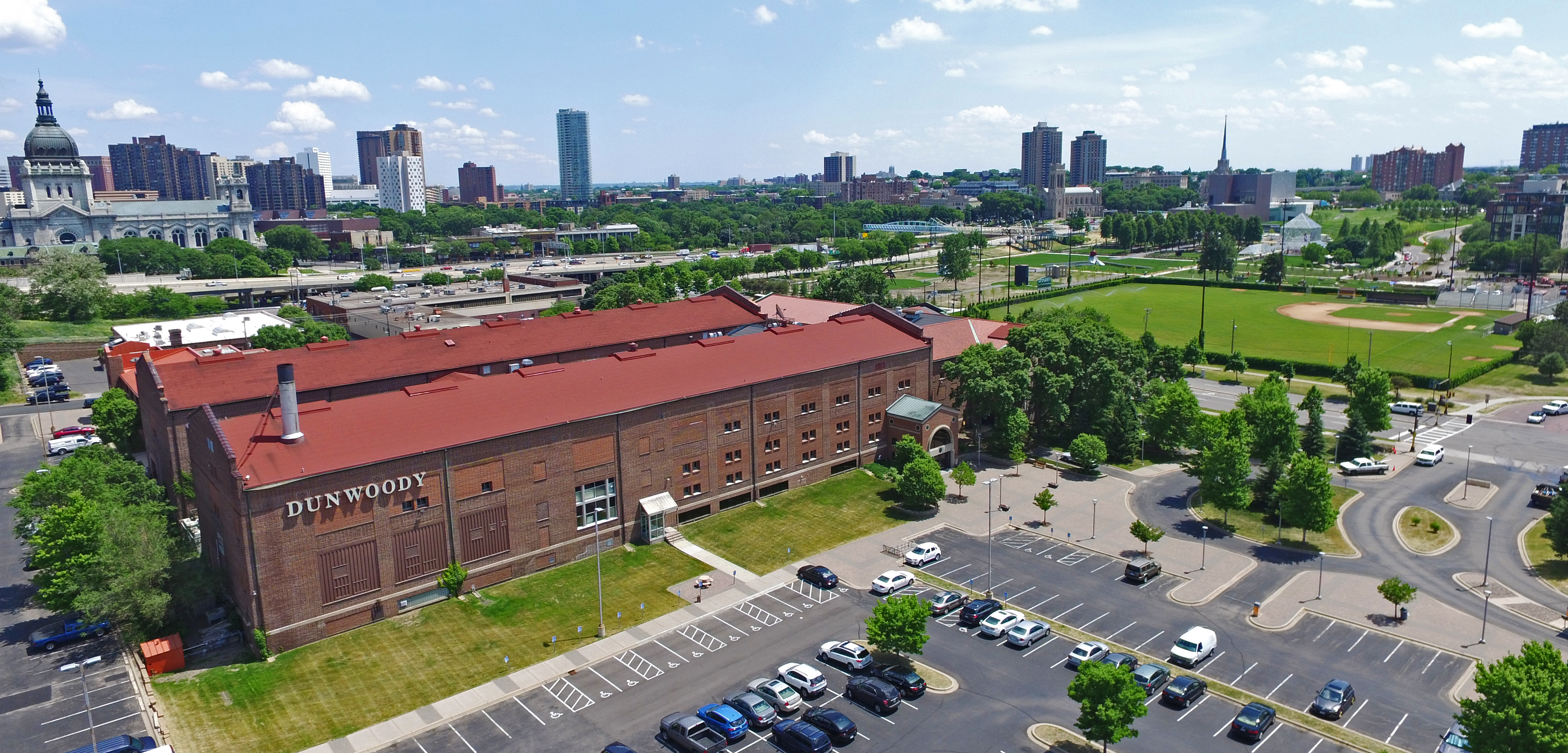
Dunwoody College of Technology
Minneapolis, MNprivate nonprofitwww.dunwoody.edu/
- Acceptance rateThe share of applicants a college admits in a given year. A 10% acceptance rate means it admits about 1 in 10 applicants.
- 99%
- Undergrad enrollment
- 1,533
- Net priceWhat a family actually pays after grants and scholarships are subtracted from the sticker price — usually far less than the published cost.
- $26,939
- In-state tuition
- $27,836
- Out-of-state tuition
- $27,836
- Popular Majors
- Electrician (13%), Automotive Tech (7%), Robotics
- Acceptance Rate
- 74-98.9%
- Graduation Rate
- 33-64% (varies by source)
- Off-Campus Students
- 97%
- Career Outcomes Rate
- 96%
- Student-Faculty Ratio
- 11:1
- Avg. Financial Aid Package
- $8,733
- Median Alumni Earnings (6 yrs)
- $59,069
Quick answers
- What is the acceptance rate at Dunwoody College of Technology?
- Dunwoody College of Technology's acceptance rate is approximately 99% (Minneapolis, MN), based on the most recent figures we compiled from public and primary sources.
- How much does Dunwoody College of Technology cost?
- At Dunwoody College of Technology, the average net price (after aid) is about $26,939 per year. Actual cost varies with financial aid and residency.
- How many undergraduates attend Dunwoody College of Technology?
- Dunwoody College of Technology enrolls approximately 1,533 undergraduate students.
- Where is Dunwoody College of Technology located?
- Dunwoody College of Technology is located in Minneapolis, MN.
Dunwoody College of Technology is a Minneapolis-based technical college where nearly every student lands a job in their field—96% career outcomes, to be exact. With an acceptance rate hovering between 74-98%, it’s a no-nonsense gateway to hands-on careers in robotics, construction, and automotive tech, where graduates earn a median $59,069 within six years. Forget dorm life: 97% of students live off-campus, and the culture thrives on collaboration and gritty, workshop-driven learning.
Admissions
Dunwoody College of Technology is decidedly not selective, with Acceptance rateThe share of applicants a college admits in a given year. A 10% acceptance rate means it admits about 1 in 10 applicants. ranging from 74% to 98.9% across sources—a stark contrast to the nail-biting competition at four-year liberal arts colleges. Test scores are middling (ACT 17–23, SAT 970–1,240 for admitted students), but Dunwoody’s focus is on readiness for technical training, not academic pedigree. Notably, applicant numbers dipped by 9.2% between 2023 and 2024, suggesting shifting demographics or demand in vocational education.
Academics
Dunwoody’s 96% career outcomes rate is its crown jewel, with 90% of graduates employed in their field within a year. The curriculum is laser-focused on trades and tech: electrician programs (13% of 2024 grads), automotive mechanics (7%), and robotics dominate. With 46 majors spanning certificates to bachelor’s degrees, the 11:1 student-faculty ratio ensures hands-on training in workshops and labs. Graduation rates are a mixed bag—33% per College Board, 63% per other sources—likely reflecting the varying lengths of certificate vs. degree programs.
Sources
- Common Data Set (CDS) | Institutional Research
- Common Data Set: Home
- Common Data Set Application Priorities for T-25s Visualized - Reddit
- What is the Common Data Set? | College Raptor
- Common Data Set | data.uchicago.edu - Institutional Analysis
- [PDF] Common Data Set 2021-2022 - Amazon S3
- Dunwoody College of Technology Admissions - BigFuture
- Dunwoody College of Technology Admissions
- Dunwoody College of Technology - Tuition and Acceptance Rate