Loading…
← All schools
DePaul University
Chicago, ILprivate nonprofitdepaul.edu
- Acceptance rateThe share of applicants a college admits in a given year. A 10% acceptance rate means it admits about 1 in 10 applicants.
- 76%
- SAT 25th-75th percentileThe middle range of SAT scores for admitted students: a quarter scored below the low number and a quarter scored above the high number.
- 1140–1330
- Undergrad enrollment
- 14,090
- Net priceWhat a family actually pays after grants and scholarships are subtracted from the sticker price — usually far less than the published cost.
- $30,902
- In-state tuition
- $45,999
- Out-of-state tuition
- $45,999
- Campus Housing
- 14% of students
- Acceptance Rate
- 70.16%
- First-Gen Students
- 34%
- Student-Faculty Ratio
- 17:1
- 6-Year Graduation Rate
- 71%
- Avg. Financial Aid Package
- $34,318
- Median Earnings 1 Year Post-Grad
- $36,427
Quick answers
- What is the acceptance rate at DePaul University?
- DePaul University's acceptance rate is approximately 76% (Chicago, IL), based on the most recent figures we compiled from public and primary sources.
- What SAT score do you need for DePaul University?
- Admitted students at DePaul University typically score 1140–1330 on the SAT (the middle-50% range). Scores outside this band are still admitted, especially with strong applications.
- How much does DePaul University cost?
- At DePaul University, the average net price (after aid) is about $30,902 per year. Actual cost varies with financial aid and residency.
- How many undergraduates attend DePaul University?
- DePaul University enrolls approximately 14,090 undergraduate students.
- Where is DePaul University located?
- DePaul University is located in Chicago, IL.
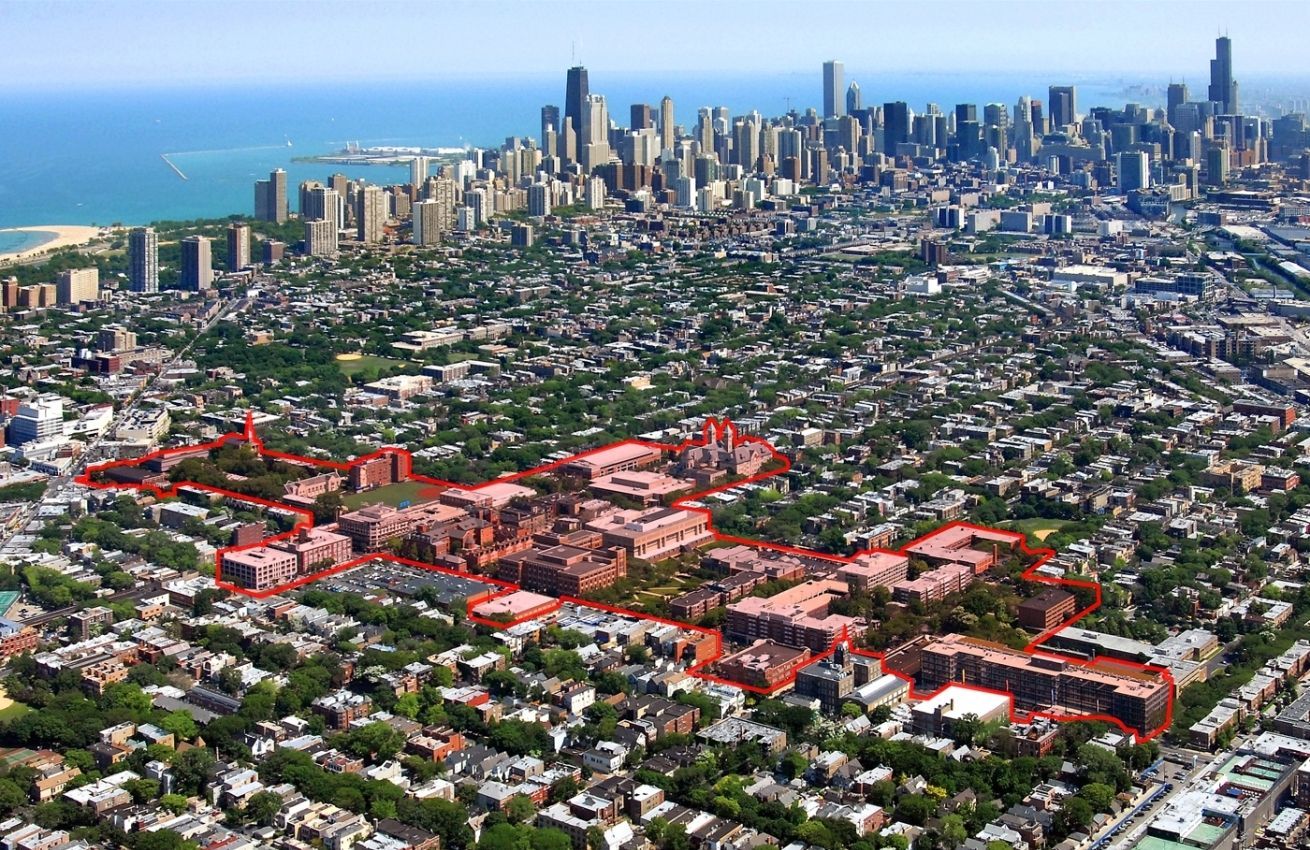
DePaul University, Chicago's largest Catholic university, thrives on its urban identity—offering students the run of the city alongside a surprisingly intimate 17:1 student-faculty ratio. Known for strong business and arts programs, DePaul attracts a diverse, first-generation-heavy student body (34%) with its accessible admissions (70% acceptance rate) and robust financial aid. Campus life skews commuter, but the city itself becomes the quad.
Admissions
DePaul's admissions process leans inclusive, with a 70.16% Acceptance rateThe share of applicants a college admits in a given year. A 10% acceptance rate means it admits about 1 in 10 applicants. ([7]) and middle-50% SAT scores between 1090–1300 ([7]). The university actively recruits diverse cohorts: 49% of 2020 freshmen were students of color, 34% First-generation (first-gen)A student who would be the first in their immediate family to earn a four-year college degree. Many colleges consider this in context., and 23% hailed from Chicago itself ([9]). Transfer students find flexible pathways, particularly through the School of Continuing and Professional Studies ([3]). While not highly selective (acceptance rates hover between 65-76% across sources ([7], [8], [11], [12])), DePaul's urban location and Vincentian mission attract applicants seeking experiential learning in a major city.
Sources
- Common Data Set - Institutional Research & Market Analytics
- [PDF] Common Data Set 2024-2025
- [PDF] Common Data Set 2023-2024
- [PDF] Common Data Set Definitions
- IRMA - Fact File Plus
- Institutional Research & Market Analytics
- DePaul University Admissions - BigFuture College Search
- DePaul University SAT Scores and GPA
- [PDF] Freshman Admission Summary 2020 - DePaul University, Chicago
- DePaul University - Tuition and Acceptance Rate - Peterson's
- The SAT Scores, ACT Scores, and GPA You Need to Get In - Magoosh