Loading…
← All schools
Culver-Stockton College
Canton, MOprivate nonprofitculver.edu
- Acceptance rateThe share of applicants a college admits in a given year. A 10% acceptance rate means it admits about 1 in 10 applicants.
- 99%
- Undergrad enrollment
- 807
- Net priceWhat a family actually pays after grants and scholarships are subtracted from the sticker price — usually far less than the published cost.
- $21,983
- In-state tuition
- $30,875
- Out-of-state tuition
- $30,875
- Net Price
- $22,103
- Avg. ACT Range
- 18–19
- Avg. SAT Range
- 970–1150
- Popular Majors
- Business, Psychology, Parks/Recreation
- Acceptance Rate
- 65%
- 4-Year Grad Rate
- 36%
- On-Campus Housing
- 81%
- U.S. News Ranking
- #25 Midwest Regional
- Avg. Alumni Salary
- $40,673
- Avg. Financial Aid Package
- $29,900
Quick answers
- What is the acceptance rate at Culver-Stockton College?
- Culver-Stockton College's acceptance rate is approximately 99% (Canton, MO), based on the most recent figures we compiled from public and primary sources.
- How much does Culver-Stockton College cost?
- At Culver-Stockton College, the average net price (after aid) is about $21,983 per year. Actual cost varies with financial aid and residency.
- How many undergraduates attend Culver-Stockton College?
- Culver-Stockton College enrolls approximately 807 undergraduate students.
- Where is Culver-Stockton College located?
- Culver-Stockton College is located in Canton, MO.
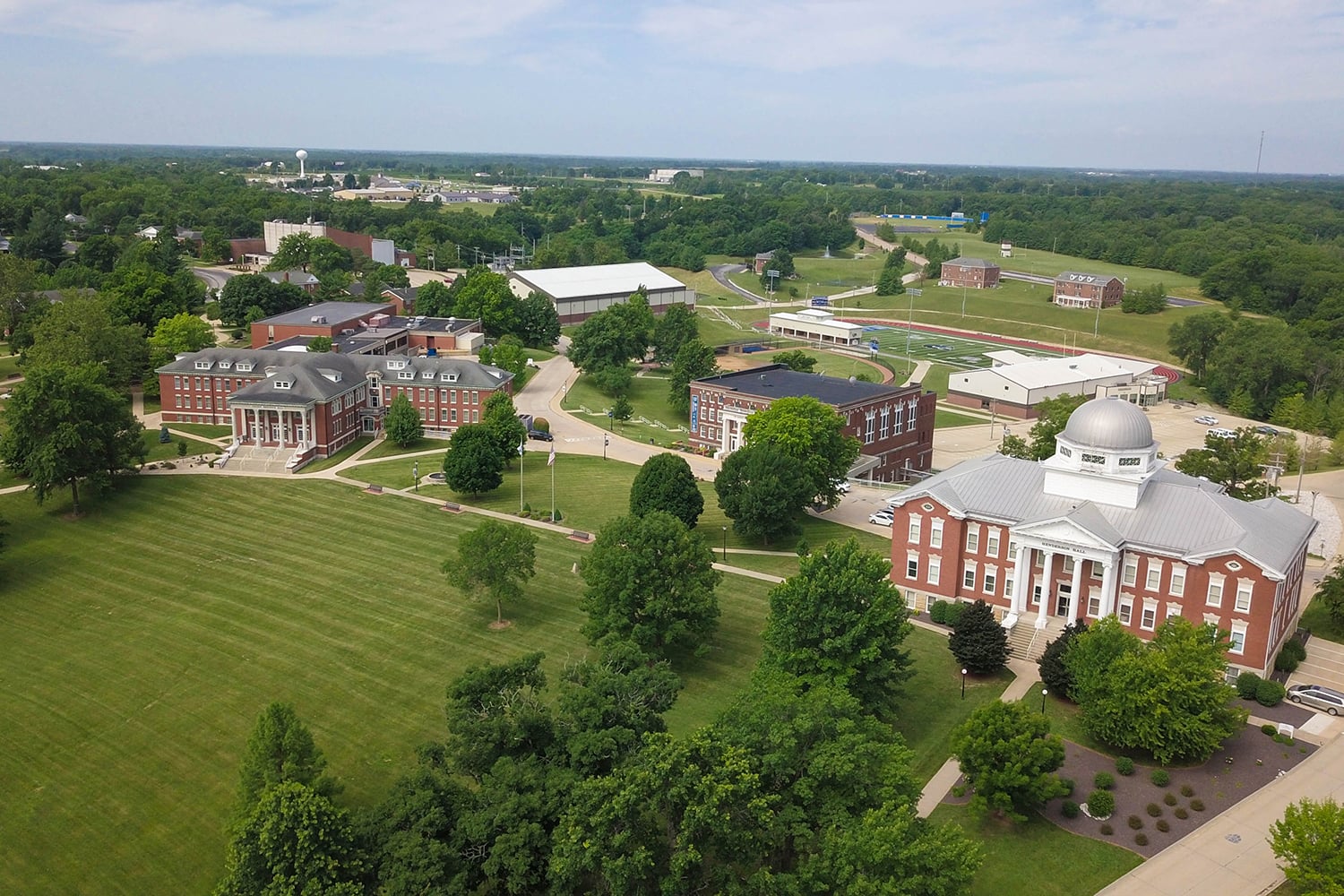
Culver-Stockton College, a small liberal arts school perched on a bluff overlooking the Mississippi River in Canton, Missouri, trades prestige for accessibility—its 65% acceptance rate and rolling admissions make it a practical choice for students seeking a tight-knit, experiential learning environment. With a focus on 'being bold and thinking big,' the college leans heavily into business, psychology, and recreation majors, while its 36% four-year graduation rate and mid-$40K median alumni salary reflect its regional, career-prep orientation. What it lacks in selectivity, it makes up for in affordability (average aid packages of $29,900) and a fully residential, sports-heavy campus culture where 81% of students live on-site.
Admissions
Culver-Stockton’s admissions process is decidedly low-barrier: with a 65% acceptance rate (sources vary from 52% to 99%, but 65% appears most consistently) and rolling deadlines, it’s a safe bet for applicants who miss traditional cutoffs. Mid-range SAT scores (970–1150) and ACT scores (18–19) suggest a student body that’s solidly average academically. The college doesn’t publish a deferred admission policy, but its flexibility—applications are accepted until August 15—hints at a pragmatic approach to enrollment.
Sources
- [PDF] Stockton_University_CDS_2022-2023.pdf - Stockton University
- Common Data Set: Home
- Decoding the Common Data Set What You Need to Know for Your ...
- The Common Data Set: What It Is & How to Use It In College ...
- Common Data Set | The Office of Institutional Research
- At Culver-Stockton College, we're with you every step of ... - Instagram
- Culver-Stockton College Admissions - BigFuture
- Culver-Stockton College Admissions - U.S. News & World Report
- Culver-Stockton College SAT Scores and GPA - PrepScholar
- Culver-Stockton College Tuition, Acceptance Rate, & Academics