Loading…
← All schools
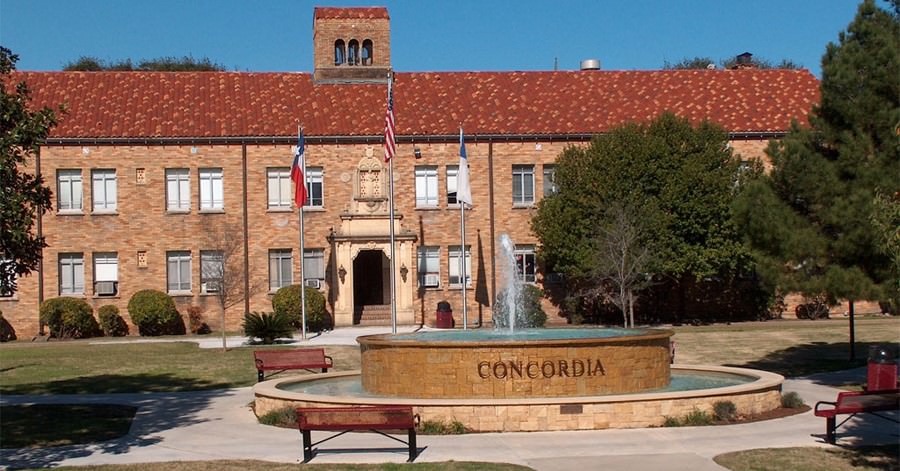
Concordia University Texas
Austin, TXprivate nonprofitconcordia.edu
- Acceptance rateThe share of applicants a college admits in a given year. A 10% acceptance rate means it admits about 1 in 10 applicants.
- 91%
- Undergrad enrollment
- 1,185
- Net priceWhat a family actually pays after grants and scholarships are subtracted from the sticker price — usually far less than the published cost.
- $23,131
- In-state tuition
- $23,500
- Out-of-state tuition
- $23,500
- Location
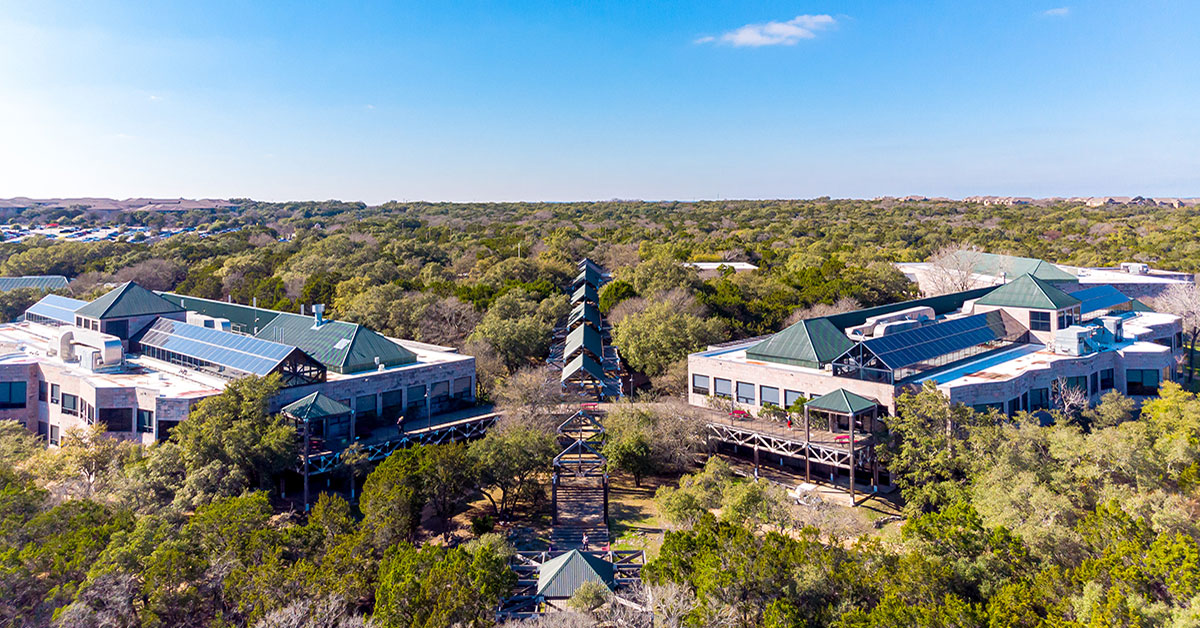
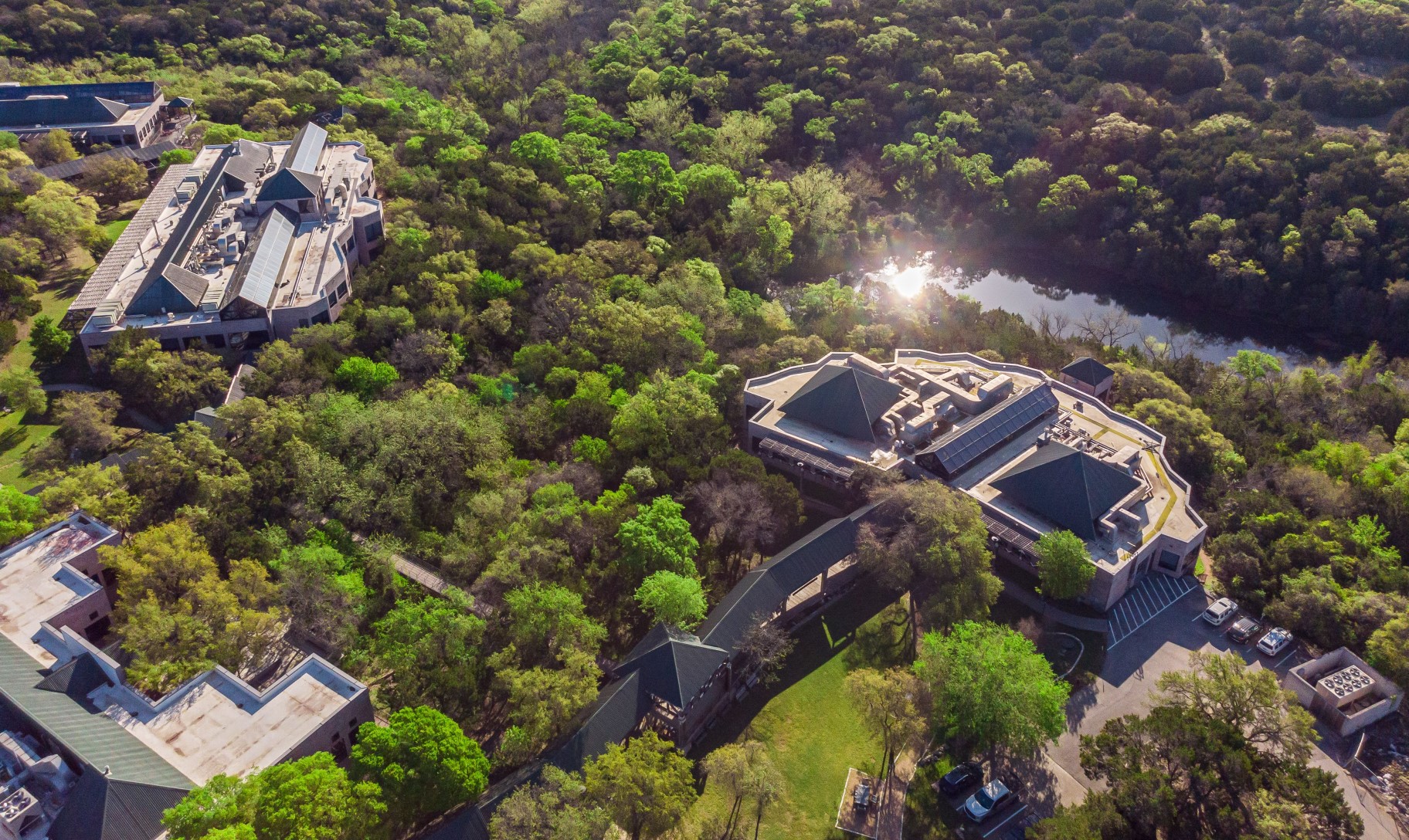
- Austin, TX (389-acre campus)
- Top Majors
- Business (31%), Liberal Arts (49%)
- Acceptance Rate
- 91.3% (2024)
- Student-Faculty Ratio
- 16:1
- 6-Year Graduation Rate
- 41%
- Freshman Retention Rate
- 62%
- Avg. Financial Aid Package
- $36,500
- Median Alumni Earnings (1 Yr)
- $36,427
Quick answers
- What is the acceptance rate at Concordia University Texas?
- Concordia University Texas's acceptance rate is approximately 91% (Austin, TX), based on the most recent figures we compiled from public and primary sources.
- How much does Concordia University Texas cost?
- At Concordia University Texas, the average net price (after aid) is about $23,131 per year. Actual cost varies with financial aid and residency.
- How many undergraduates attend Concordia University Texas?
- Concordia University Texas enrolls approximately 1,185 undergraduate students.
- Where is Concordia University Texas located?
- Concordia University Texas is located in Austin, TX.
Concordia University Texas is a small, Lutheran-affiliated liberal arts school in Austin that combines faith-based education with a practical, customizable academic approach. With an acceptance rate hovering around 91%, it’s one of the more accessible private colleges in Texas, though its 41% graduation rate suggests students should weigh its supportive community against academic outcomes. The university leans heavily into business and liberal arts majors, with a student body that thrives on intramurals, faith-based activities, and Austin’s vibrant culture.
Admissions
Concordia University Texas is decidedly not a selective school, with Acceptance rateThe share of applicants a college admits in a given year. A 10% acceptance rate means it admits about 1 in 10 applicants. ranging from 83.5% to 91.3% across sources—making it one of the more accessible private universities in Texas. Of the 2,401 applicants in 2024, 2,191 were admitted, though only about half (1,189) enrolled, reflecting a modest YieldThe share of admitted students who actually choose to enroll. Colleges watch it closely, which is why some weigh how interested you seem. rate of 27.9%. The university doesn’t heavily emphasize standardized test scores; admitted students typically have mid-range ACT scores, though specific percentiles aren’t consistently reported. Notably, the admissions process is personalized, with direct counselor contact encouraged (the office even lists a toll-free number: 800-865-4282).
Sources
- Statistical Information - Concordia University Texas
- Common Data Set: Home
- Common Data Set - Institutional Reporting
- Concordia University Texas - DFR Report HTML
- [PDF] 2015-16 Common Data Set | Concordia University Texas
- Concordia University Texas - Data USA
- Concordia University Texas Admissions - BigFuture College Search
- Concordia University Texas SAT Scores and GPA - PrepScholar
- Concordia University Texas Admissions - US News Best Colleges
- Concordia University Texas - Tuition and Acceptance Rate