Loading…
← All schools
Colorado College
Colorado Springs, COprivate nonprofitwww.coloradocollege.edu/
- Acceptance rateThe share of applicants a college admits in a given year. A 10% acceptance rate means it admits about 1 in 10 applicants.
- 18%
- SAT 25th-75th percentileThe middle range of SAT scores for admitted students: a quarter scored below the low number and a quarter scored above the high number.
- 1230–1460
- Undergrad enrollment
- 2,014
- Net priceWhat a family actually pays after grants and scholarships are subtracted from the sticker price — usually far less than the published cost.
- $33,375
- In-state tuition
- $70,734
- Out-of-state tuition
- $70,734
- Net Price
- $23,881
- Middle 50% ACT
- 29-33
- Middle 50% SAT
- 1240-1460
- Acceptance Rate
- 18-19%
- On-Campus Housing
- 71%
- Signature Program
- Block Plan (3.5-week courses)
- Student-Faculty Ratio
- 10:1
- 4-Year Graduation Rate
Quick answers
- What is the acceptance rate at Colorado College?
- Colorado College's acceptance rate is approximately 18% (Colorado Springs, CO), based on the most recent figures we compiled from public and primary sources.
- What SAT score do you need for Colorado College?
- Admitted students at Colorado College typically score 1230–1460 on the SAT (the middle-50% range). Scores outside this band are still admitted, especially with strong applications.
- How much does Colorado College cost?
- At Colorado College, the average net price (after aid) is about $33,375 per year. Actual cost varies with financial aid and residency.
- How many undergraduates attend Colorado College?
- Colorado College enrolls approximately 2,014 undergraduate students.
- Where is Colorado College located?
- Colorado College is located in Colorado Springs, CO.
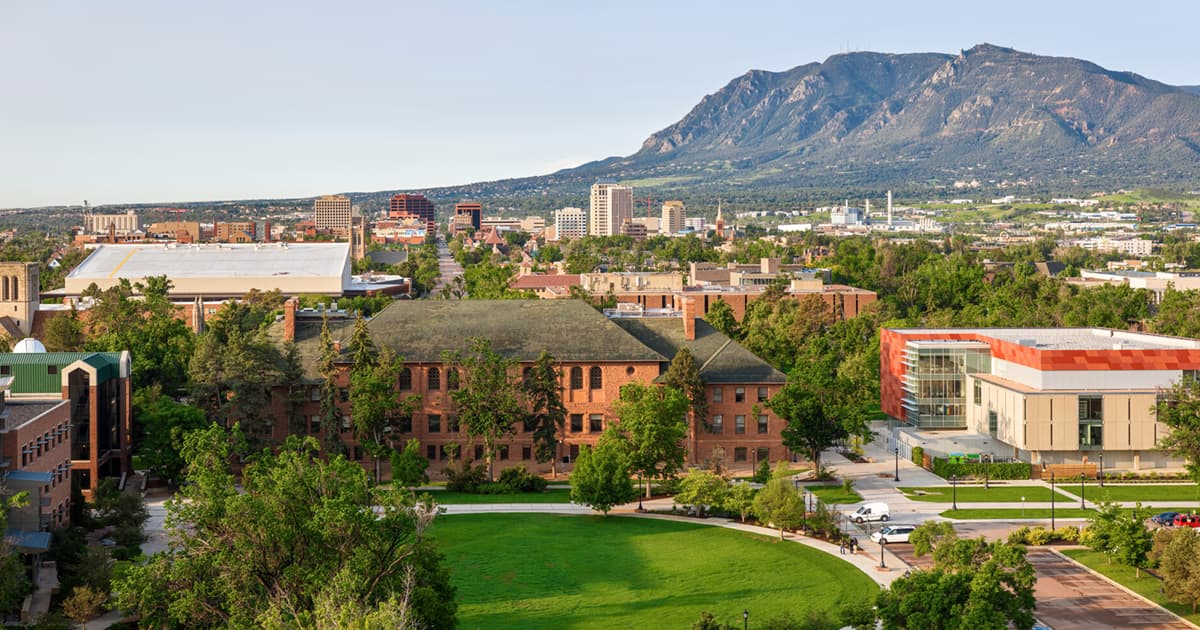
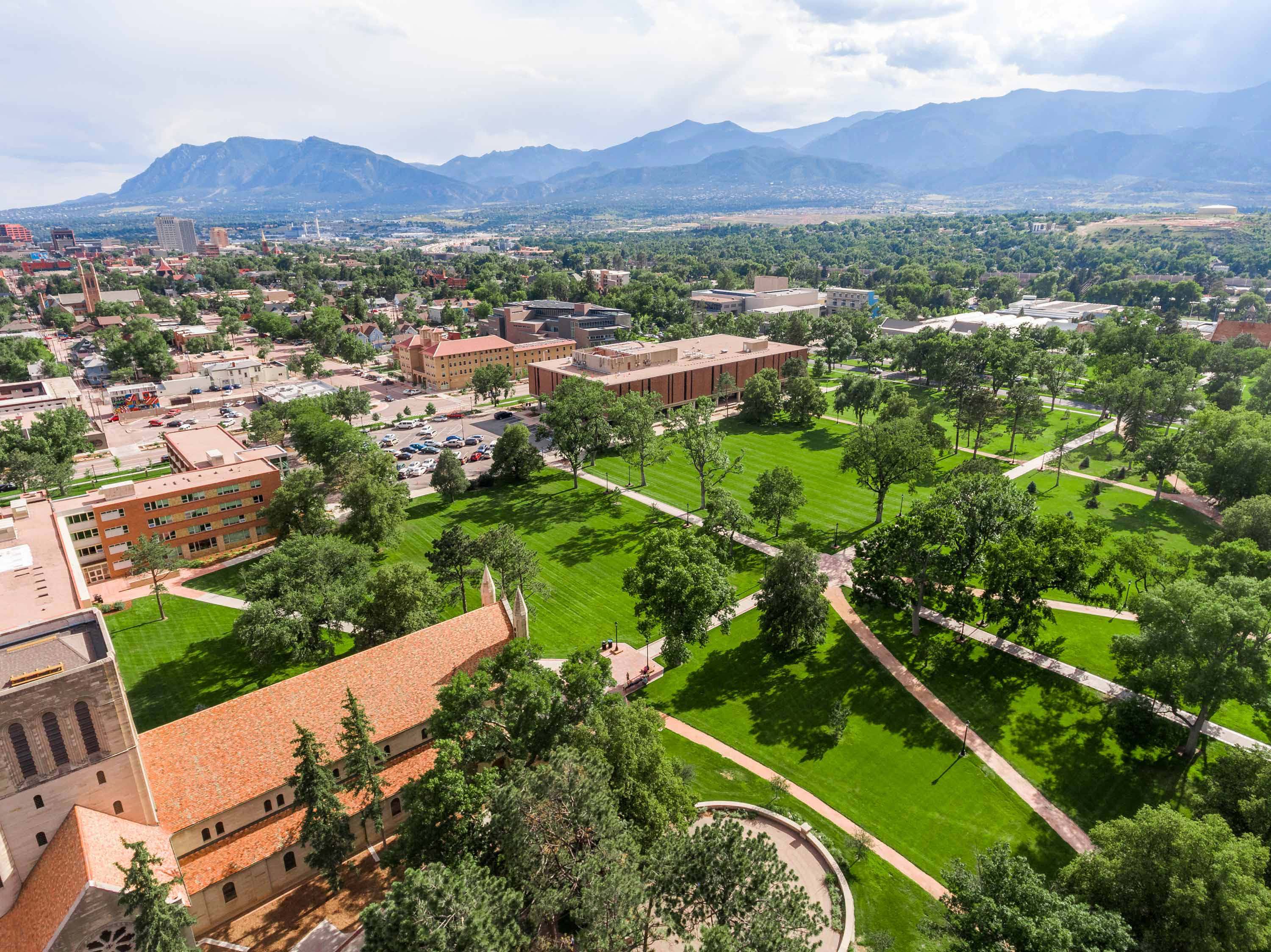
Colorado College is a fiercely selective liberal arts school where the Rocky Mountains are as much a classroom as the lecture hall. Its signature Block Plan—immersive 3.5-week courses—attracts outdoorsy intellectuals who thrive on intensity and adventure. With an 86% graduation rate and alumni earning median salaries competitive with Ivy League grads, CC proves rigor and play can coexist.
Admissions
Getting into Colorado College is a feat—the admit rate hovers around 18-19%, with early decision offering only a slight edge (20.6%). Middle 50% SAT scores range from 1240-1460, while ACT composites fall between 29-33. The college is Test-optionalA policy where you choose whether to submit SAT or ACT scores. If you don't, the rest of your application carries more weight. but expects academic rigor: admitted students often have GPAs north of 3.8. Notably, CC uses a binding early decision policy; accepted applicants must withdraw applications elsewhere. The admissions office emphasizes Holistic admissionsA review that weighs the whole applicant — grades, essays, activities, and context — rather than relying on test scores and GPA alone., seeking 'quirky, outdoorsy' students who can handle the Block Plan's pace.
Sources
- Common Data Set - Colorado College
- [PDF] Common Data Set 2024-25 - Colorado College
- [PDF] Common Data Set 2022-2023 - Colorado College
- Common Data Set - Data & Analytics - University of Colorado Boulder
- Colorado College Facts
- Common Data Set | Institutional Research, Planning and Effectiveness
- Class of 2029 Profile - Colorado College
- Class of 2028 Profile - Colorado College
- Colorado College SAT Scores and GPA
- Colorado College Admissions - BigFuture College Search