Loading…
← All schools
College of Charleston
Charleston, SCpubliccharleston.edu
- Acceptance rateThe share of applicants a college admits in a given year. A 10% acceptance rate means it admits about 1 in 10 applicants.
- 60%
- SAT 25th-75th percentileThe middle range of SAT scores for admitted students: a quarter scored below the low number and a quarter scored above the high number.
- 1140–1310
- Undergrad enrollment
- 10,558
- Net priceWhat a family actually pays after grants and scholarships are subtracted from the sticker price — usually far less than the published cost.
- $18,960
- In-state tuition
- $12,978
- Out-of-state tuition
- $38,296
- Student Clubs
- 240+
- Acceptance Rate
- 60-72%
- Undergrad Majors
- 69
- Average Net Price
- $21,193
- Early-Career Earnings
- $36,427
- Median SAT (In-State)
- 1210
- 4-Year Grad Rate (Women)
- 61%
Quick answers
- What is the acceptance rate at College of Charleston?
- College of Charleston's acceptance rate is approximately 60% (Charleston, SC), based on the most recent figures we compiled from public and primary sources.
- What SAT score do you need for College of Charleston?
- Admitted students at College of Charleston typically score 1140–1310 on the SAT (the middle-50% range). Scores outside this band are still admitted, especially with strong applications.
- How much does College of Charleston cost?
- At College of Charleston, the average net price (after aid) is about $18,960 per year. Actual cost varies with financial aid and residency.
- How many undergraduates attend College of Charleston?
- College of Charleston enrolls approximately 10,558 undergraduate students.
- Where is College of Charleston located?
- College of Charleston is located in Charleston, SC.
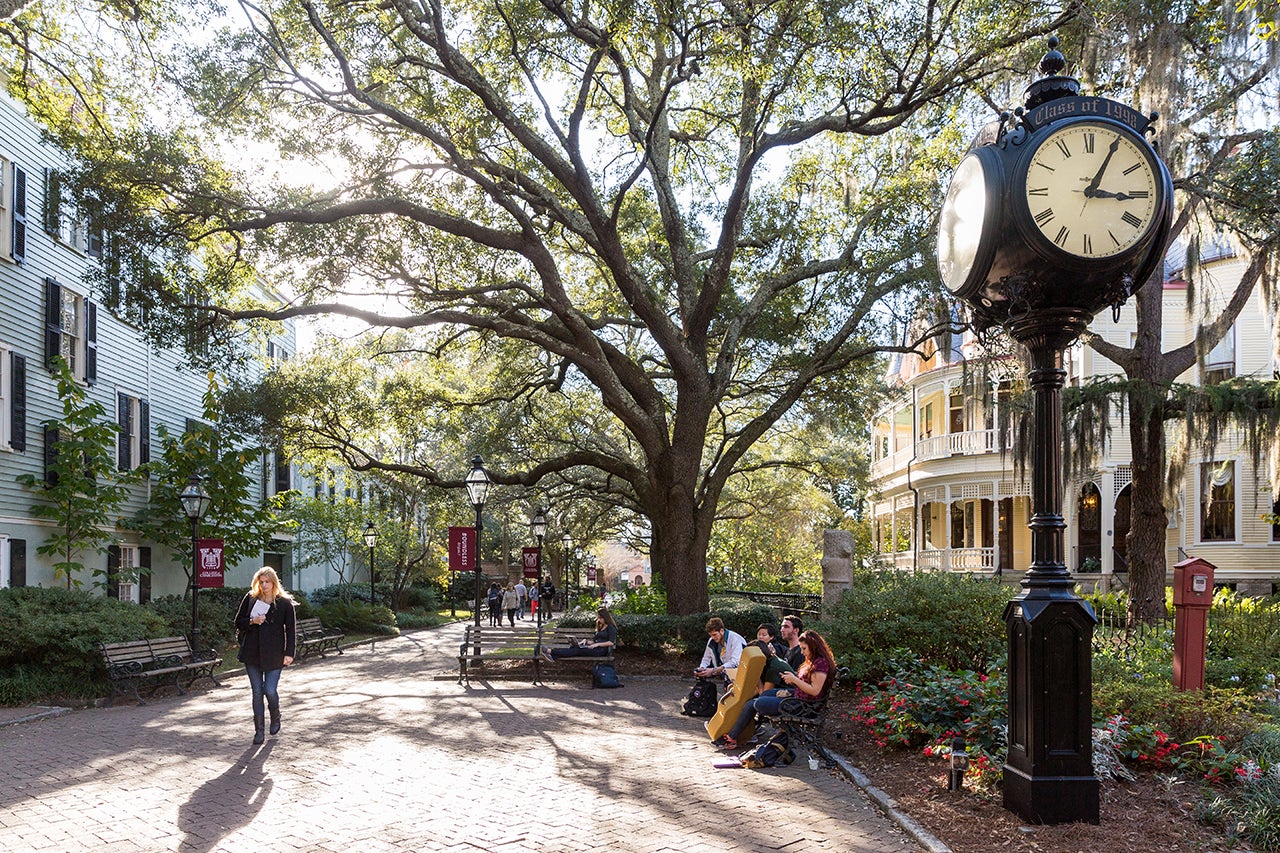
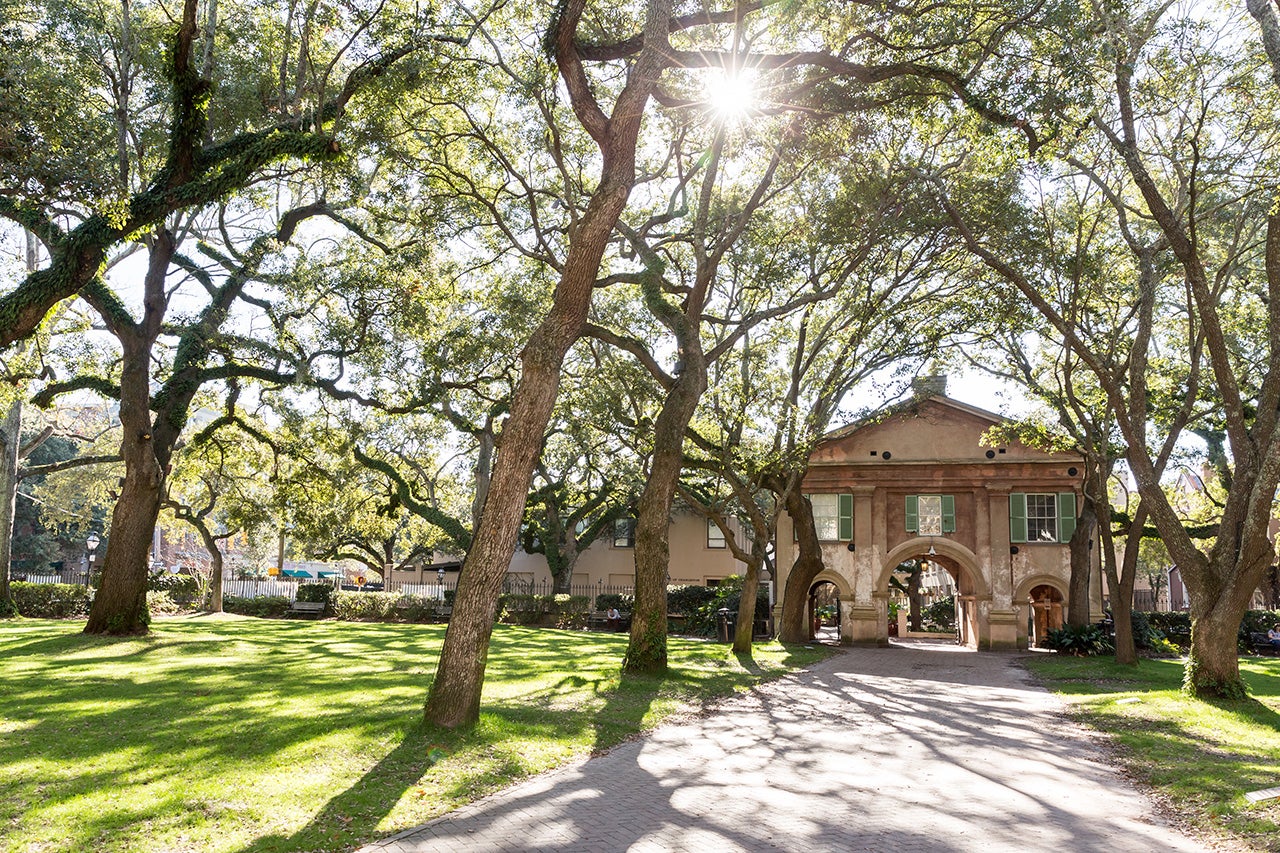
The College of Charleston is a historic public university where Spanish moss-draped courtyards meet rigorous academics—think liberal arts college charm with the energy of a coastal city. Known for its strong business and communications programs, the school draws students who want both a tight-knit campus and access to Charleston’s vibrant culture. While its graduation rates lag slightly behind national averages, its location and 240+ student organizations make it a magnet for those who prioritize experience alongside education.
Admissions
The College of Charleston is moderately selective, with Acceptance rateThe share of applicants a college admits in a given year. A 10% acceptance rate means it admits about 1 in 10 applicants. fluctuating between 60-72% in recent years. The median SAT scores for admitted students hover around 1210 for in-state applicants and 1260 for out-of-state, while ACT medians are 26 (in-state) and 28 (out-of-state). Notably, the Class of 2029 included 9 in-state valedictorians, signaling a competitive edge for top-tier local applicants. Early decision is available, though the school doesn’t offer early action. Transfer admissions are also robust, with a focus on completed, actionable applications.
Sources
- Common Data Set - College of Charleston
- [PDF] Common Data Set 2024-2025 - College of Charleston
- [PDF] Common Data Set 2025-26 College of Charleston
- [PDF] College of Charleston Common Data Set 2023-2024
- [PDF] Common Data Set Definitions - College of Charleston
- College of Charleston Common Data Set (CDS) Archive
- College of Charleston Class of 2028 First-Year Student Profile
- College of Charleston Admissions - BigFuture
- Quick Facts - College of Charleston