Loading…
← All schools
Colby-Sawyer College
New London, NHprivate nonprofitwww.colby-sawyer.edu/
- Acceptance rateThe share of applicants a college admits in a given year. A 10% acceptance rate means it admits about 1 in 10 applicants.
- 80%
- Undergrad enrollment
- 771
- Net priceWhat a family actually pays after grants and scholarships are subtracted from the sticker price — usually far less than the published cost.
- $27,431
- In-state tuition
- $19,125
- Out-of-state tuition
- $19,125
- Location
- New London, NH
- Undergraduates
- 798 (2024)
- Acceptance Rate
- 80-90% (varies by source)
- Female:Male Ratio
- 73:27
- On-Campus Housing
- 82% of students
- Post-Grad Success
- 94% employed/grad school within 6 months
- Most Popular Major
- Nursing (48% of 2024 grads)
- Median Early-Career Salary
- $52,000 (6 years post-grad)
Quick answers
- What is the acceptance rate at Colby-Sawyer College?
- Colby-Sawyer College's acceptance rate is approximately 80% (New London, NH), based on the most recent figures we compiled from public and primary sources.
- How much does Colby-Sawyer College cost?
- At Colby-Sawyer College, the average net price (after aid) is about $27,431 per year. Actual cost varies with financial aid and residency.
- How many undergraduates attend Colby-Sawyer College?
- Colby-Sawyer College enrolls approximately 771 undergraduate students.
- Where is Colby-Sawyer College located?
- Colby-Sawyer College is located in New London, NH.
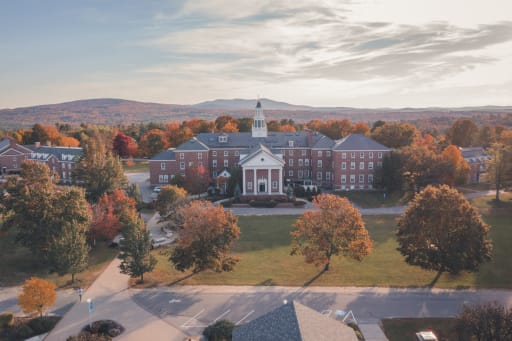
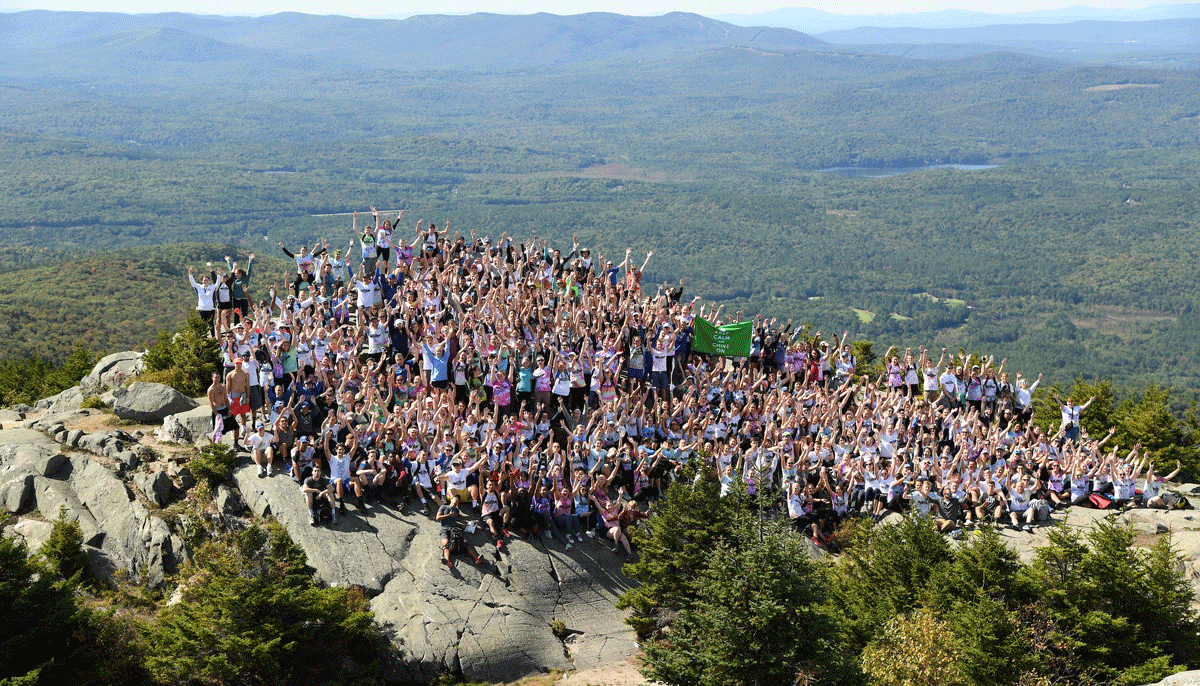
Colby-Sawyer College is a small, intimate liberal arts school in New Hampshire’s Lake Sunapee region, where nursing majors dominate and nearly everyone lives on a campus that feels more like a tight-knit community than a traditional college. With an acceptance rate hovering around 80-90%, it’s accessible but punches above its weight in post-grad employment—94% of recent grads landed jobs or grad school spots within six months.
Admissions
Colby-Sawyer’s admissions process leans toward accessibility, with Acceptance rateThe share of applicants a college admits in a given year. A 10% acceptance rate means it admits about 1 in 10 applicants. ranging from 80% to 90% depending on the source. The college received 2,129 applications for a recent cycle, admitting 1,705 and enrolling 861. Early applicants enjoy a notably higher acceptance rate of 98.6%. The student body is predominantly female (73%) and domestic (99%), with minimal international representation (1%). Rolling admissions mean there’s no hard deadline, though the vibe is decidedly non-competitive—this isn’t a school where applicants sweat over SAT scores.
Academics
Sources
- Colby-Sawyer Fast Facts
- Colby-Sawyer College Overview - CollegeData
- Common Data Set: Home
- Colby-Sawyer College - DFR Report HTML - Department of Education
- Colby-Sawyer College | Data USA
- The Common Data Set: What It Is & How to Use It In College ...
- Colby-Sawyer College Admissions - BigFuture
- Colby-Sawyer College Admissions - U.S. News & World Report
- Colby-Sawyer College Admissions & Acceptance - Niche
- Colby-Sawyer College - Tuition and Acceptance Rate - Peterson's
- Colby-Sawyer College Admissions: Admit Rate, SAT Scores