Loading…
← All schools
California State Polytechnic University-Pomona
Pomona, CApublicwww.cpp.edu/
- Acceptance rateThe share of applicants a college admits in a given year. A 10% acceptance rate means it admits about 1 in 10 applicants.
- 75%
- Undergrad enrollment
- 25,042
- Net priceWhat a family actually pays after grants and scholarships are subtracted from the sticker price — usually far less than the published cost.
- $11,531
- In-state tuition
- $7,780
- Out-of-state tuition
- $20,380
- Net Price
- $21,610
- Campus Size
- 1,400 acres
- Median Debt
- $16,000
- Acceptance Rate
- 74%
- Most Popular Major
- Business Administration
- Student-Faculty Ratio
- 8:1 (in labs)
- 4-Year Graduation Rate
- 30%
- Avg Early-Career Earnings
- $71,900
Quick answers
- What is the acceptance rate at California State Polytechnic University-Pomona?
- California State Polytechnic University-Pomona's acceptance rate is approximately 75% (Pomona, CA), based on the most recent figures we compiled from public and primary sources.
- How much does California State Polytechnic University-Pomona cost?
- At California State Polytechnic University-Pomona, the average net price (after aid) is about $11,531 per year. Actual cost varies with financial aid and residency.
- How many undergraduates attend California State Polytechnic University-Pomona?
- California State Polytechnic University-Pomona enrolls approximately 25,042 undergraduate students.
- Where is California State Polytechnic University-Pomona located?
- California State Polytechnic University-Pomona is located in Pomona, CA.
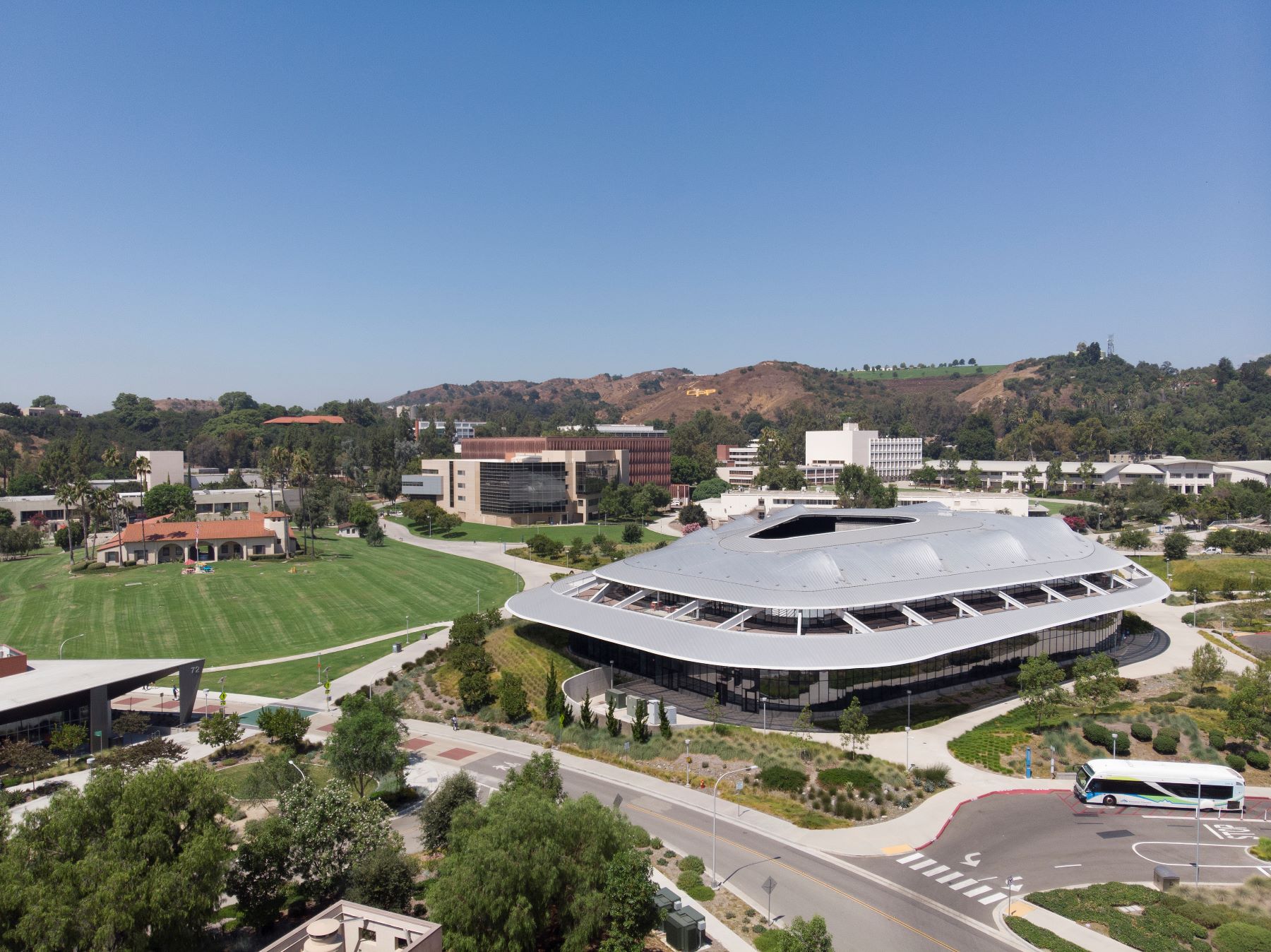
California State Polytechnic University-Pomona (Cal Poly Pomona) is a hands-on, career-focused public university where 74% of applicants get in—but only the industrious thrive. Known for its strong engineering, business, and agriculture programs, CPP delivers solid ROI with early-career alumni earning $71,900 on average. The commuter-heavy campus lacks rah-rah spirit but offers proximity to both LA’s job market and mountain hikes.
Admissions
Cal Poly Pomona admits 74% of applicants, making it one of the more accessible polytechnic schools—but don’t mistake accessibility for lax standards. California residents need at least a 2.50 'A-G' GPA to be admissible, though 50% of enrolled students boast GPAs of 3.75+. The school doesn’t heavily emphasize test scores (SAT/ACT ranges are unpublished), instead prioritizing coursework rigor and eligibility indices. Applications are due November 30, with no early decision or early action options.
Academics
CPP’s shines in its (U.S. News ranks it and #2 for veterans). The most popular major is , followed by Psychology and Computer Science. With across eight colleges—including a standout College of Engineering with seven majors—the curriculum leans applied. The is a sleeper hit, offering rare programs like Agricultural Science amid the university’s sprawling 1,400-acre campus, which includes a working farm.
Sources
- Cal Poly Pomona Data at a Glance
- [PDF] CDS 2024-2025 (OFFICIAL)
- [PDF] Common Data Set 2025-2026
- [PDF] Common Data Set 2022-2023 - The Washington Post
- Common Data Set - Institutional Research - Cal Poly, San Luis Obispo
- Common Data Set | Pomona College in Claremont, California
- Cal Poly Pomona SAT Scores and GPA - PrepScholar
- CPP Freshmen Student Profile: Multifactor Admission
- California State Polytechnic University: Pomona Admissions
- California State Polytechnic University--Pomona Admissions Stats