Loading…
← All schools
Bryn Mawr College
Bryn Mawr, PAprivate nonprofitwww.brynmawr.edu/
- Acceptance rateThe share of applicants a college admits in a given year. A 10% acceptance rate means it admits about 1 in 10 applicants.
- 29%
- SAT 25th-75th percentileThe middle range of SAT scores for admitted students: a quarter scored below the low number and a quarter scored above the high number.
- 1280–1510
- Undergrad enrollment
- 1,359
- Net priceWhat a family actually pays after grants and scholarships are subtracted from the sticker price — usually far less than the published cost.
- $31,759
- In-state tuition
- $65,920
- Out-of-state tuition
- $65,920
- Test-Optional
- Yes (65% submit SAT, 23% submit ACT)
- Acceptance Rate
- 29%
- On-Campus Housing
- 90%
- Most Popular Majors
- Psychology (10%), Sociology (9%), English (8%)
- Student-Faculty Ratio
- 8:1
- Six-Year Graduation Rate
- 87%
- Avg. Financial Aid Package
- $42,011
Quick answers
- What is the acceptance rate at Bryn Mawr College?
- Bryn Mawr College's acceptance rate is approximately 29% (Bryn Mawr, PA), based on the most recent figures we compiled from public and primary sources.
- What SAT score do you need for Bryn Mawr College?
- Admitted students at Bryn Mawr College typically score 1280–1510 on the SAT (the middle-50% range). Scores outside this band are still admitted, especially with strong applications.
- How much does Bryn Mawr College cost?
- At Bryn Mawr College, the average net price (after aid) is about $31,759 per year. Actual cost varies with financial aid and residency.
- How many undergraduates attend Bryn Mawr College?
- Bryn Mawr College enrolls approximately 1,359 undergraduate students.
- Where is Bryn Mawr College located?
- Bryn Mawr College is located in Bryn Mawr, PA.
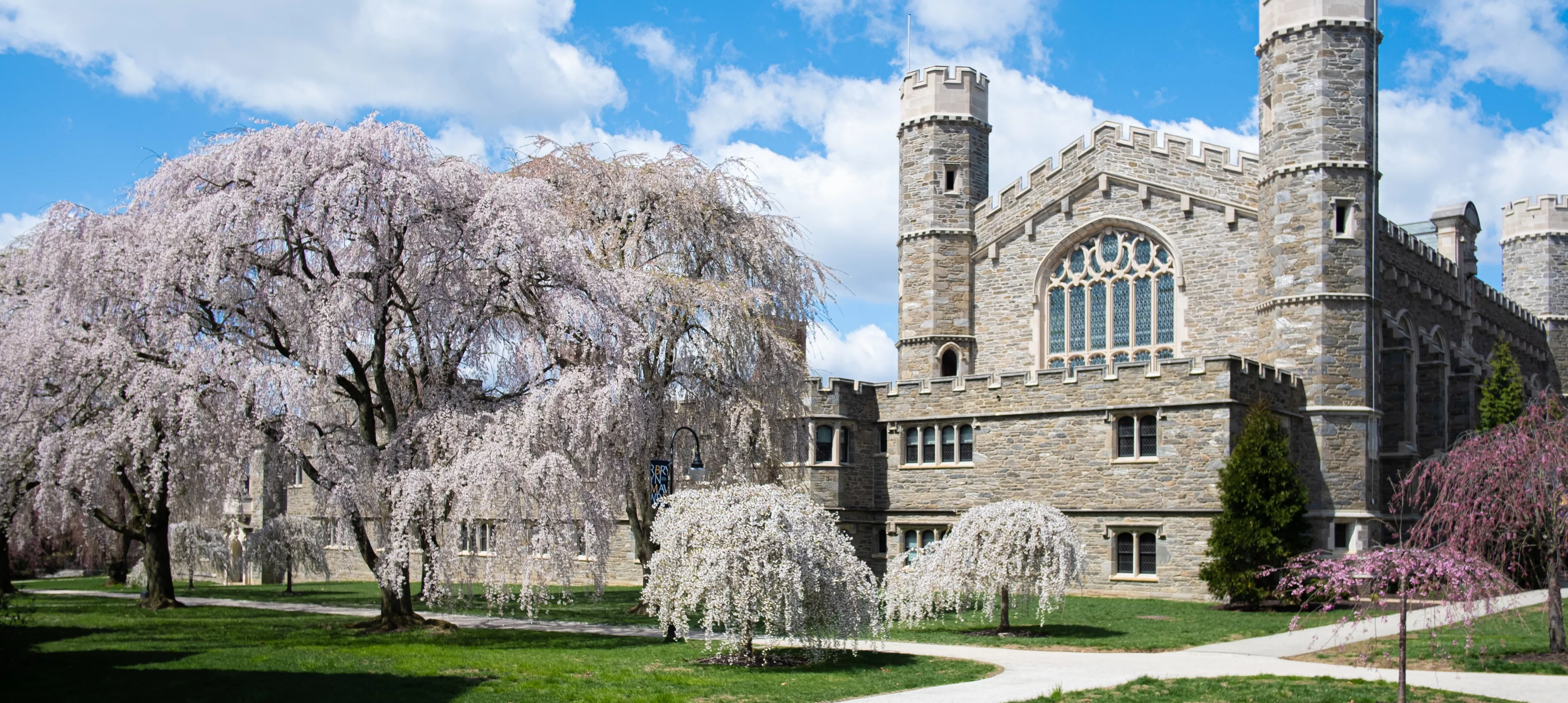
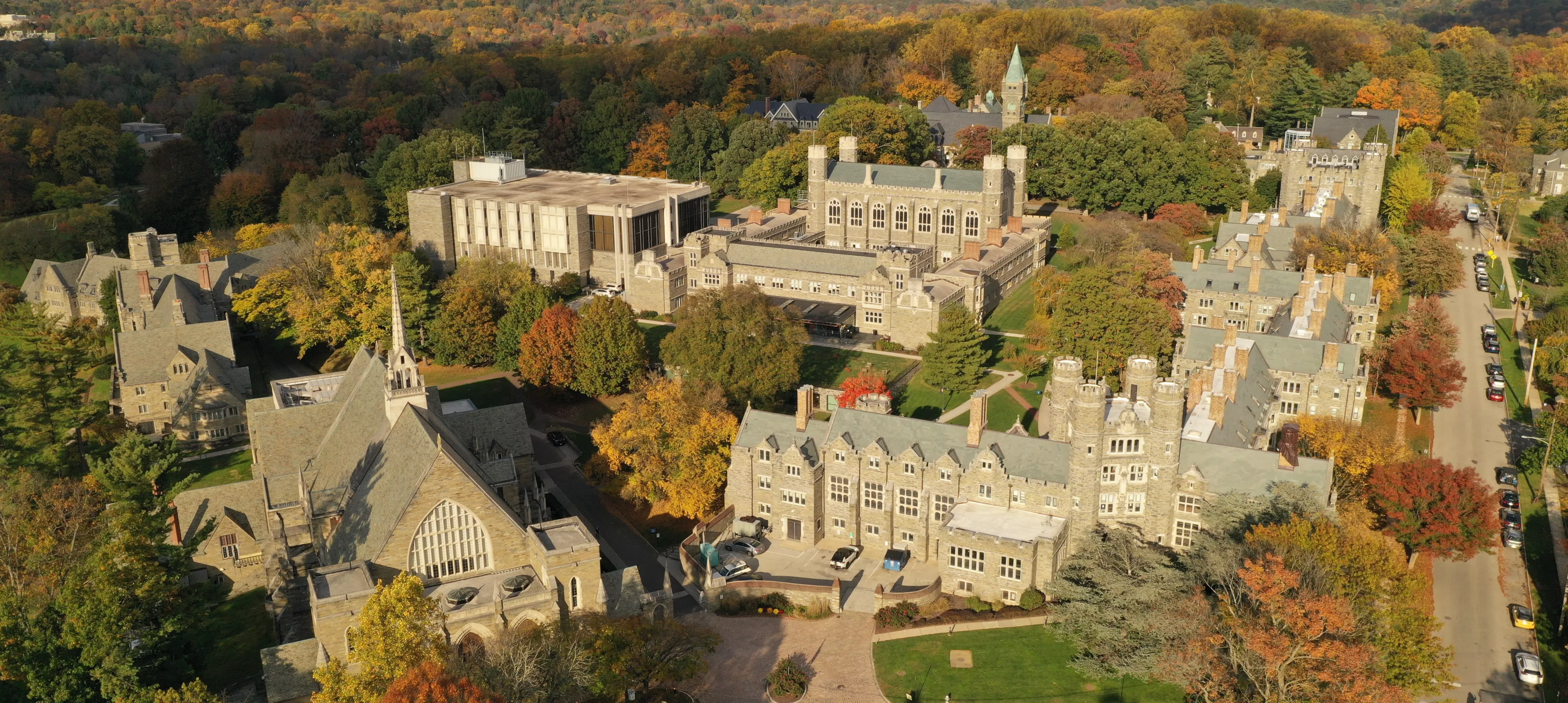
Bryn Mawr College is a fiercely intellectual women's liberal arts college where Gothic spires meet radical thought. With a 29% acceptance rate and an early decision advantage (43% of admits come through ED), it attracts students who thrive in its rigorous, seminar-driven academics and self-governing traditions. The college's Quaker roots manifest in a culture of quiet intensity—think midnight poetry readings in the cloisters and heated debates about heterodox economics over dining hall tea.
Admissions
Bryn Mawr's admissions process is selective but rewards demonstrated intellectual passion. For the Class of 2028, the college received 4,094 applications and admitted 29% (1,205 students), with 43% of enrolled students coming through Early Decision. The ED Acceptance rateThe share of applicants a college admits in a given year. A 10% acceptance rate means it admits about 1 in 10 applicants. (36.62%) is significantly higher than regular decision. Test-optionalA policy where you choose whether to submit SAT or ACT scores. If you don't, the rest of your application carries more weight. since 2020, 65% of admitted students submitted SAT scores while 23% submitted ACT scores. The middle 50% SAT range is 1380-1520, with ACT composites between 30-33. Notably, 90% of enrolled first-years graduated in the top 20% of their high school class.
- Early Decision Advantage: 36.62% ED acceptance rate vs. 29.43% overall (Class of 2028)
- Demographics: 100% of enrolled first-years are women (Common Data Set (CDS)A standardized report most colleges publish each year with admissions, test-score, and financial-aid figures, making schools easier to compare. confirms 0 male applicants)
- Yield Rate: ~31.5% (380 enrolled from 1,205 admitted)
Sources
- [PDF] Common Data Set 2024-2025 - Bryn Mawr College
- Facts - Bryn Mawr College
- [PDF] Common Data Set 2022-2023 - Bryn Mawr College
- [PDF] CDS 2025-26 Bryn Mawr Read Only.pdf
- Common Data Set Repository - College Transitions
- Bryn Mawr College acceptance stats for high-achieving student
- Meet the Class - Bryn Mawr College
- Bryn Mawr College SAT Scores and GPA - PrepScholar
- Bryn Mawr College - Tuition and Acceptance Rate - Peterson's