Loading…
← All schools
American Musical and Dramatic Academy
New York, NYprivate nonprofitwww.amda.edu/
- Acceptance rateThe share of applicants a college admits in a given year. A 10% acceptance rate means it admits about 1 in 10 applicants.
- 24%
- Undergrad enrollment
- 1,438
- Net priceWhat a family actually pays after grants and scholarships are subtracted from the sticker price — usually far less than the published cost.
- $41,416
- In-state tuition
- $46,928
- Out-of-state tuition
- $46,928
- Campus
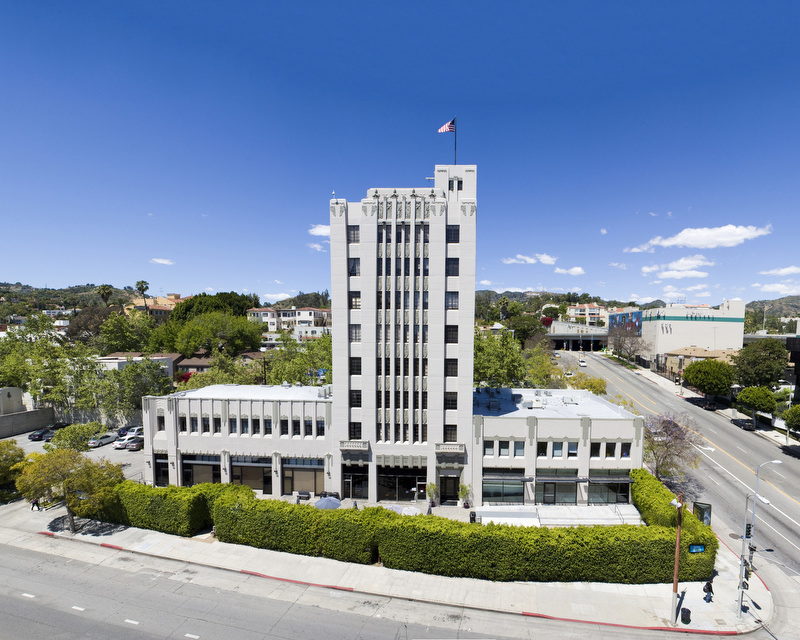
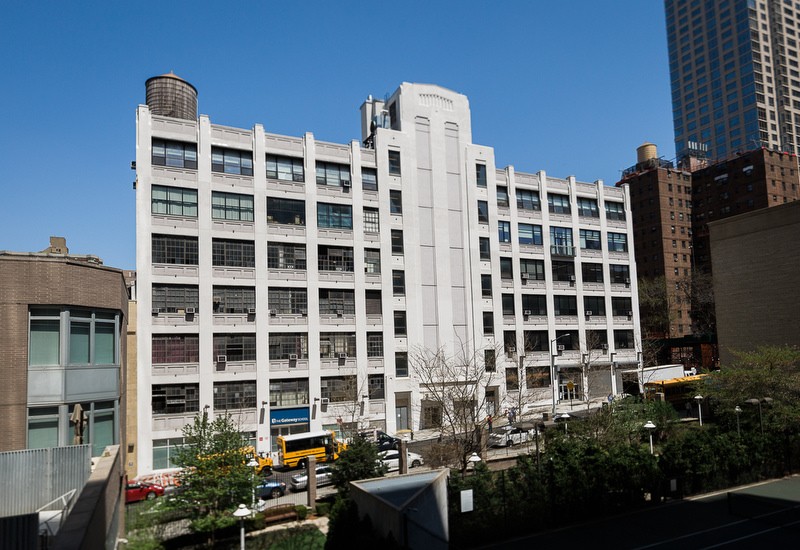
- NYC (Upper West Side) & Hollywood
- Annual Cost
- $41,416
- Top Program
- #4 Musical Theatre (Playbill)
- Notable Alumni
- Tony/Emmy winners
- Acceptance Rate
- 24.5%
- Graduation Rate
- 69%
- Scholarship Aid
- $14M/year
- Median Earnings (10 Years)
- $26,975
Quick answers
- What is the acceptance rate at American Musical and Dramatic Academy?
- American Musical and Dramatic Academy's acceptance rate is approximately 24% (New York, NY), based on the most recent figures we compiled from public and primary sources.
- How much does American Musical and Dramatic Academy cost?
- At American Musical and Dramatic Academy, the average net price (after aid) is about $41,416 per year. Actual cost varies with financial aid and residency.
- How many undergraduates attend American Musical and Dramatic Academy?
- American Musical and Dramatic Academy enrolls approximately 1,438 undergraduate students.
- Where is American Musical and Dramatic Academy located?
- American Musical and Dramatic Academy is located in New York, NY.
AMDA is a fiercely selective conservatory where Broadway dreams collide with brutal reality—only 1 in 4 applicants make the cut, and those who do endure a grueling, immersive curriculum designed to spit out triple-threat performers. With campuses planted in the heart of Manhattan and Hollywood, it’s a pressure cooker that boasts alumni with Tonys and Emmys, though graduates often face the harsh economics of the arts (median earnings: $26,975 a decade out).
Admissions
AMDA’s admissions process is a high-stakes audition in every sense: with a 24.5% acceptance rate (1,647 admits from 6,728 applications), it’s more selective than many liberal arts colleges. The school operates on rolling admissions but prioritizes auditions over test scores—no average GPA or SAT/ACT ranges are published, suggesting raw talent trumps transcripts. Notably, 68% of accepted students are women, reflecting the gender skew common in performing arts programs.
Academics
AMDA’s curriculum is a boot camp for the stage, offering BFA, BA, and conservatory programs in acting, musical theatre, and dance. The intensity is legendary—students describe being pushed to 'mental, emotional, and physical limits' in a program where 8-hour rehearsal days are routine. The school claims alumni with , and its musical theatre program is ranked #4 by Playbill. Unique among performing arts schools, AMDA blends traditional degrees with vocational conservatory training, letting students choose between a broad BA or a hyper-focused BFA.
Sources
- American Musical and Dramatic Academy | Data USA
- American Musical and Dramatic Academy - IPEDS
- Institutional Effectiveness & Research - AMDA
- Common Data Set: Home
- [PDF] Common Data Set 2021-2022 - Colorado Department of Education
- Common Data Set - GradGPT
- American Musical and Dramatic Academy Admission Requirements
- The American Musical and Dramatic Academy (AMDA) - New York
- American Musical and Dramatic Academy | Class of 2030 Community
- American Musical and Dramatic Academy - CollegeFit
- American Musical and Dramatic Academy Applying & Admissions ...