Loading…
← All schools
American College of the Building Arts
Charleston, SCprivate nonprofitacba.edu/
- Acceptance rateThe share of applicants a college admits in a given year. A 10% acceptance rate means it admits about 1 in 10 applicants.
- 44%
- SAT 25th-75th percentileThe middle range of SAT scores for admitted students: a quarter scored below the low number and a quarter scored above the high number.
- 1130–1290
- Undergrad enrollment
- 155
- Net priceWhat a family actually pays after grants and scholarships are subtracted from the sticker price — usually far less than the published cost.
- $30,403
- In-state tuition
- $21,500
- Out-of-state tuition
- $21,500
- Avg GPA
- 3.7
- Founded
- 2004
- Location
- Charleston, SC
- Undergraduates
- 93 (2020)
- Acceptance Rate
- 44.4% (2024)
- Degrees Offered
- BAS, AAS in Building Arts
- 4-Year Grad Rate
- 50-64%
- Annual Scholarships
Quick answers
- What is the acceptance rate at American College of the Building Arts?
- American College of the Building Arts's acceptance rate is approximately 44% (Charleston, SC), based on the most recent figures we compiled from public and primary sources.
- What SAT score do you need for American College of the Building Arts?
- Admitted students at American College of the Building Arts typically score 1130–1290 on the SAT (the middle-50% range). Scores outside this band are still admitted, especially with strong applications.
- How much does American College of the Building Arts cost?
- At American College of the Building Arts, the average net price (after aid) is about $30,403 per year. Actual cost varies with financial aid and residency.
- How many undergraduates attend American College of the Building Arts?
- American College of the Building Arts enrolls approximately 155 undergraduate students.
- Where is American College of the Building Arts located?
- American College of the Building Arts is located in Charleston, SC.
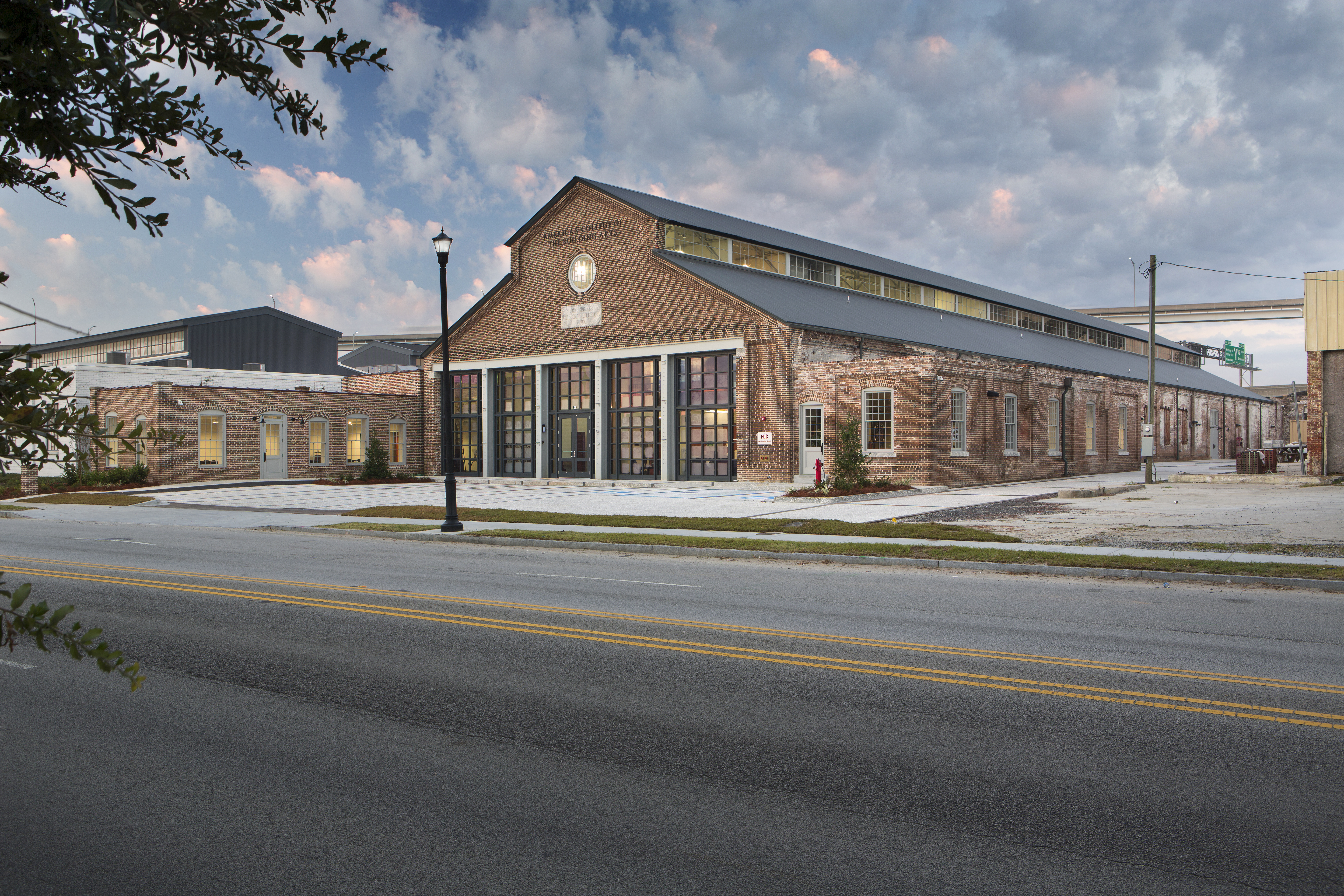
The American College of the Building Arts (ACBA) is a one-of-a-kind institution where students wield chisels and drafting pencils with equal fluency. Nestled in historic Charleston, SC, it’s the only accredited college in the U.S. blending rigorous liberal arts with hands-on training in traditional craftsmanship—think stonemasonry meets Socrates. With a tiny student body (just 93 undergrads) and a 44% acceptance rate, it attracts a fiercely dedicated cohort of future artisans and preservationists. Graduates leave with rare skills—and an 83% employment rate in their field.
Admissions
ACBA’s admissions process is selective but not cutthroat, with a 44.4% Acceptance rateThe share of applicants a college admits in a given year. A 10% acceptance rate means it admits about 1 in 10 applicants. (56 admits from 126 applications in 2024). The college takes a holistic approach, considering ACT/SAT/CLT scores (submitted by 22-43% of applicants) alongside other factors. Notably, the average admitted student boasts a 3.7 GPA. With no early decision program, all applicants compete in a single pool. The $50 application fee is modest compared to many private colleges.
Sources
- American College of the Building Arts - Data USA
- [PDF] Common Data Set 2021-2022 - Colorado Department of Education
- The Common Data Set: What It Is & How to Use It In College ...
- Common Data Set: Home
- American College of the Building Arts | Only Building Arts Degree in ...
- How To Use a Common Data Set - The College Solution
- American College of the Building Arts Acceptance Rate
- Admissions — American College of the Building Arts
- American College of the Building Arts - Sallie
- American College of the Building Arts Acceptance Rates ...