Loading…
← All schools
Albright College
Reading, PAprivate nonprofitwww.albright.edu/home/
- Acceptance rateThe share of applicants a college admits in a given year. A 10% acceptance rate means it admits about 1 in 10 applicants.
- 76%
- Undergrad enrollment
- 1,217
- Net priceWhat a family actually pays after grants and scholarships are subtracted from the sticker price — usually far less than the published cost.
- $20,024
- In-state tuition
- $29,082
- Out-of-state tuition
- $29,082
- Avg ACT
- 23
- Avg GPA
- 3.05
- Avg SAT
- 1120
- Sticker Price
- $47,322
- Popular Majors
- Business, Fashion Design, AI
- Acceptance Rate
- 76-86%
- 4-Year Grad Rate
- 42%
- Freshman Retention
- 62%
- Early-Career Salary
- ~$40,000
Quick answers
- What is the acceptance rate at Albright College?
- Albright College's acceptance rate is approximately 76% (Reading, PA), based on the most recent figures we compiled from public and primary sources.
- How much does Albright College cost?
- At Albright College, the average net price (after aid) is about $20,024 per year. Actual cost varies with financial aid and residency.
- How many undergraduates attend Albright College?
- Albright College enrolls approximately 1,217 undergraduate students.
- Where is Albright College located?
- Albright College is located in Reading, PA.
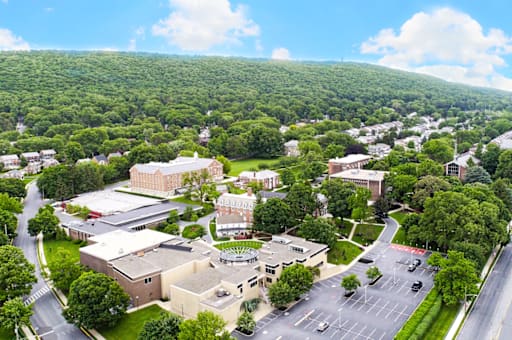
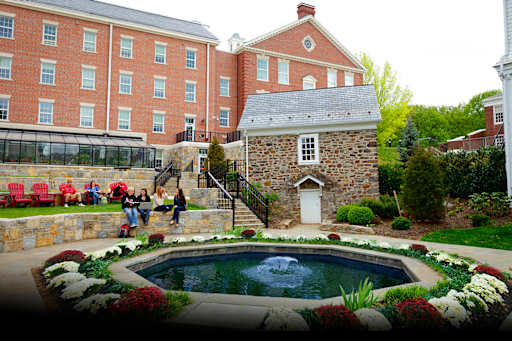
Albright College, a small liberal arts school in Reading, Pennsylvania, stands out for its flexible, interdisciplinary approach to academics—encouraging students to 'combine and cross majors' without extending their time to graduation. With an acceptance rate hovering around 76-86%, it’s accessible yet maintains a tight-knit, diverse community. However, its 42% four-year graduation rate and middling retention stats suggest students may need extra motivation to stick it out.
Admissions
Albright College is moderately selective, with Acceptance rateThe share of applicants a college admits in a given year. A 10% acceptance rate means it admits about 1 in 10 applicants. ranging from 76% to 86% across sources, making it accessible to a broad range of applicants. The average admitted student has a GPA of 3.05, an SAT score of 1120, or an ACT score of 23. Unlike hyper-competitive schools, Albright’s admissions process leans toward Holistic admissionsA review that weighs the whole applicant — grades, essays, activities, and context — rather than relying on test scores and GPA alone. rather than rigid cutoffs. Notably, the college uses the Common Data Set (CDS) for transparency, though specifics on Merit aidScholarship money awarded for achievements like grades, talents, or test scores — not based on your family's financial need. distribution aren’t always publicly detailed. Rolling admissions mean applicants can expect decisions without the pressure of a hard deadline.
Sources
- Albright College Overview - CollegeData
- Common Data Set: Home
- The Discount Data That Some Colleges Won't Publish
- [XLS] College Data - Road2College
- How To Use a Common Data Set - The College Solution
- The Common Data Set: What It Is & How to Use It In College ...
- Albright College Admissions - BigFuture College Search
- Albright College Requirements for Admission
- Albright College Tuition, Acceptance Rate, & Academics - Sallie
- Albright College Admissions - U.S. News & World Report
- Albright College - Niche