Loading…
← All schools
Abraham Baldwin Agricultural College
Tifton, GApublicabac.edu
- Acceptance rateThe share of applicants a college admits in a given year. A 10% acceptance rate means it admits about 1 in 10 applicants.
- 76%
- SAT 25th-75th percentileThe middle range of SAT scores for admitted students: a quarter scored below the low number and a quarter scored above the high number.
- 860–1080
- Undergrad enrollment
- 3,208
- Net priceWhat a family actually pays after grants and scholarships are subtracted from the sticker price — usually far less than the published cost.
- $6,842
- In-state tuition
- $3,268
- Out-of-state tuition
- $10,588
- Avg. ACT
- 12–14
- Avg. SAT
- 860–1080
- Campus Size
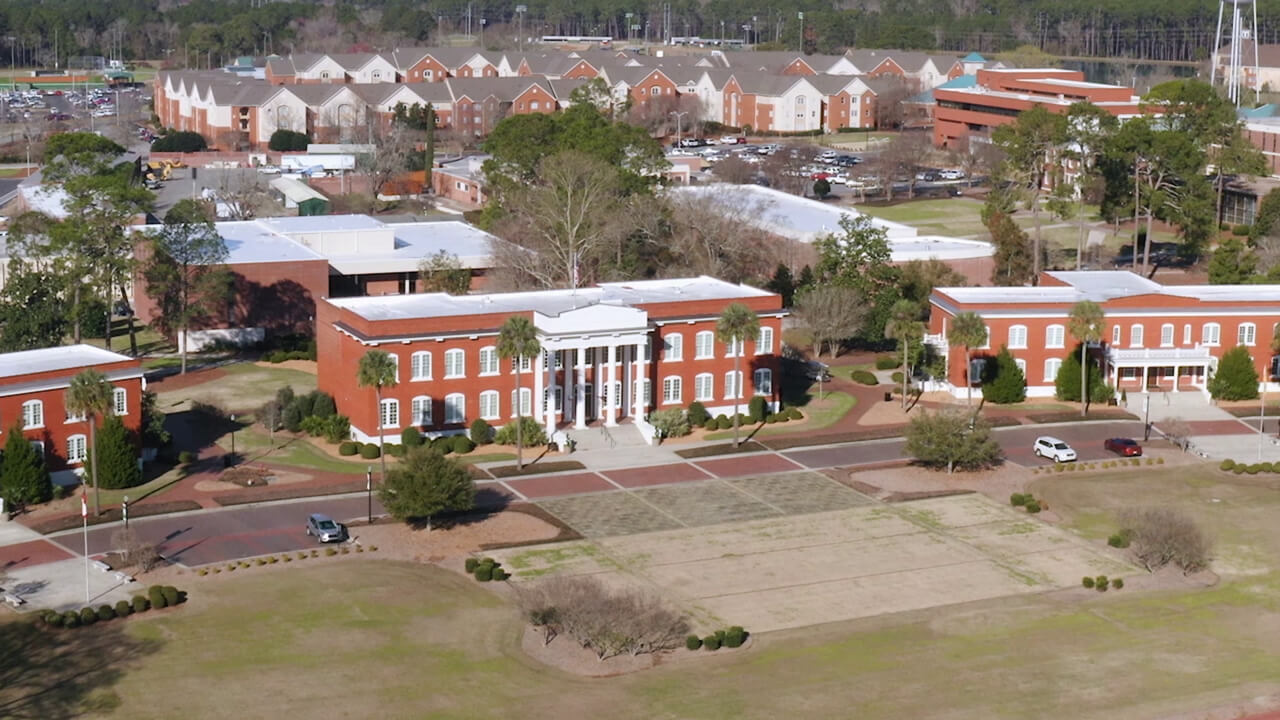
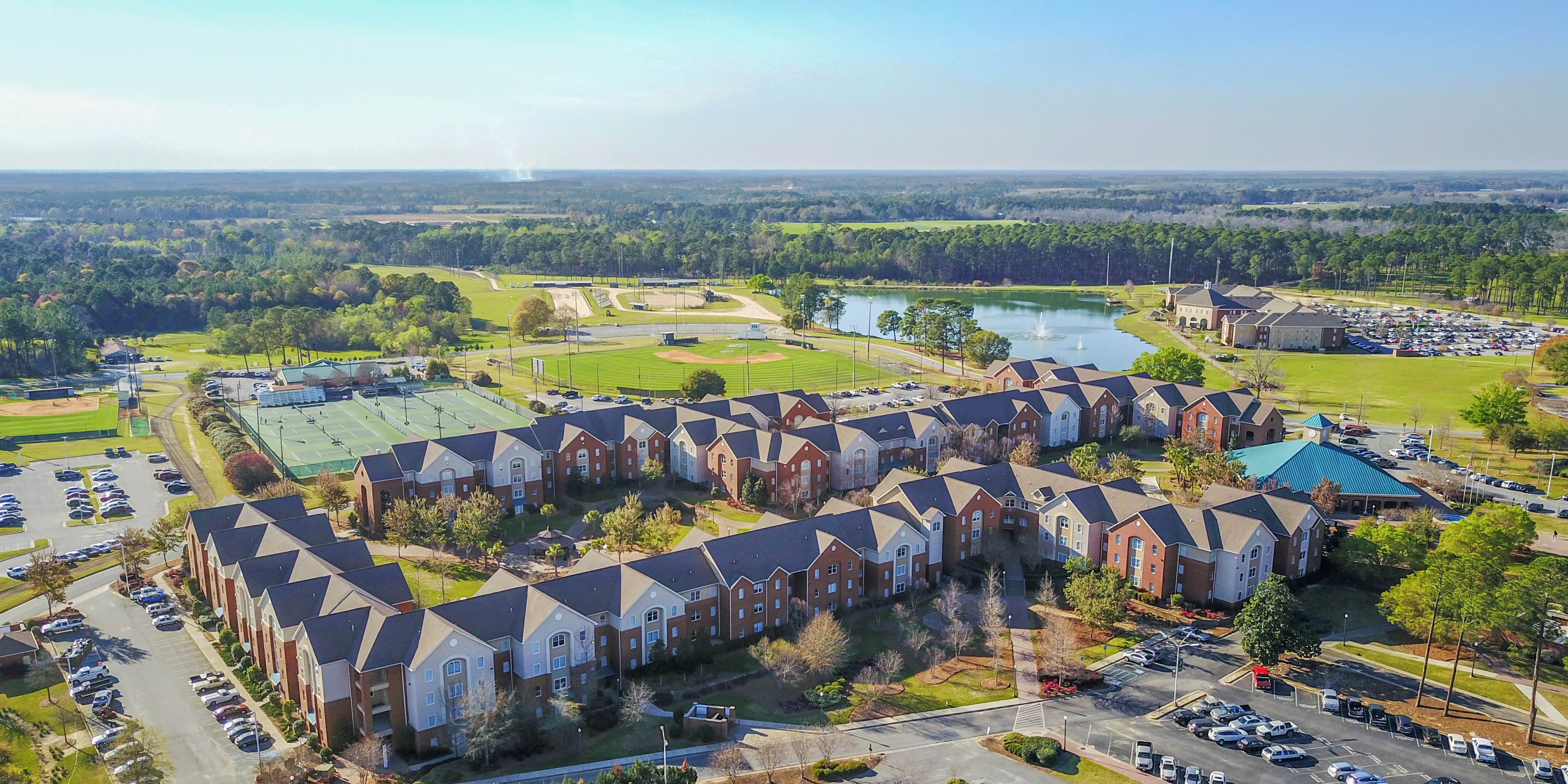
- 400 acres (incl. working farm)
- Acceptance Rate
- 76%
- 4-Year Grad Rate
- 16%
- In-State Tuition
- $3,268
- Net Price (Avg.)
- $6,923
- Signature Programs
Quick answers
- What is the acceptance rate at Abraham Baldwin Agricultural College?
- Abraham Baldwin Agricultural College's acceptance rate is approximately 76% (Tifton, GA), based on the most recent figures we compiled from public and primary sources.
- What SAT score do you need for Abraham Baldwin Agricultural College?
- Admitted students at Abraham Baldwin Agricultural College typically score 860–1080 on the SAT (the middle-50% range). Scores outside this band are still admitted, especially with strong applications.
- How much does Abraham Baldwin Agricultural College cost?
- At Abraham Baldwin Agricultural College, the average net price (after aid) is about $6,842 per year. Actual cost varies with financial aid and residency.
- How many undergraduates attend Abraham Baldwin Agricultural College?
- Abraham Baldwin Agricultural College enrolls approximately 3,208 undergraduate students.
- Where is Abraham Baldwin Agricultural College located?
- Abraham Baldwin Agricultural College is located in Tifton, GA.
Abraham Baldwin Agricultural College (ABAC) is a small, public institution in Tifton, Georgia, where agriculture and hands-on learning take center stage. With a 76% acceptance rate and a tight-knit campus culture, ABAC offers affordable, practical education—especially in agribusiness, agricultural communication, and natural resources—backed by a 400-acre working farm for real-world experience. While its four-year graduation rate lags at 16%, the college compensates with strong community engagement and a median post-grad salary of $35,495.
Admissions
ABAC’s admissions process is somewhat selective, with a 76% acceptance rate (2,040 admits from 2,694 applications in 2024). Test-optionalA policy where you choose whether to submit SAT or ACT scores. If you don't, the rest of your application carries more weight. policies apply, but submitted scores average SAT 860–1080 or ACT 12–14 in core sections. The college emphasizes accessibility, requiring only minimal thresholds (SAT 380 EBRW/360 Math or ACT 12 English/Reading). No early decision plan exists, aligning with its straightforward, minimally difficult entrance approach.
Sources
- Abraham Baldwin Agricultural College Overview - CollegeData
- Abraham Baldwin Agricultural College - DFR Report PDF
- Admissions | Abraham Baldwin Agricultural College Catalog
- [PDF] Common Data Set 2021-2022 - Colorado Department of Education
- Common Data Set: Home
- Abraham Baldwin Agricultural College - Data USA
- Admissions: Freshmen - Abraham Baldwin Agricultural College
- Abraham Baldwin Agricultural College Admissions & Acceptance
- Abraham Baldwin Agricultural College Admissions - USNews.com
- Abraham Baldwin Agricultural College - BigFuture